

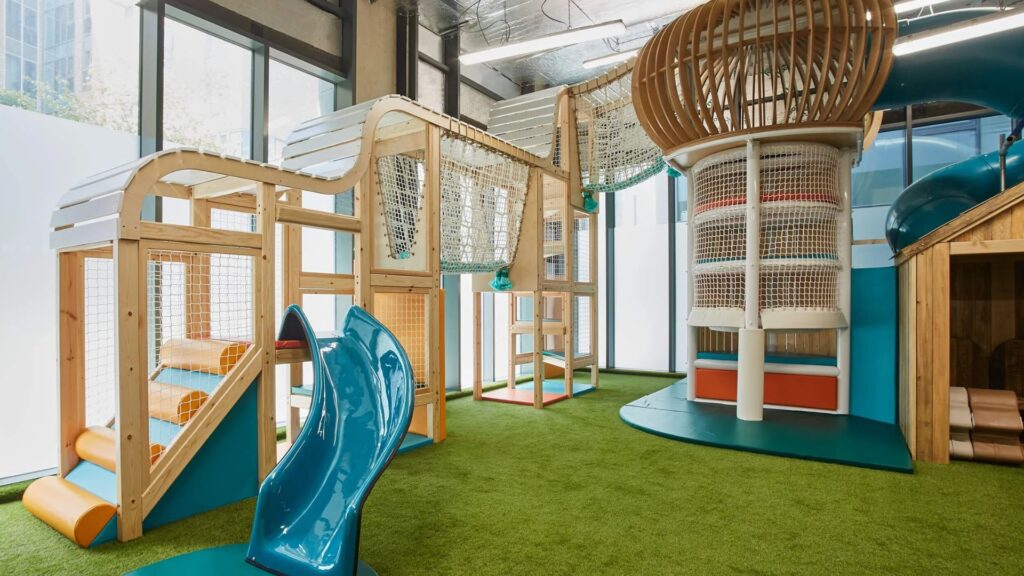
Creating a safe and fun indoor play space is essential for children’s growth and happiness. Indoor play areas allow kids to explore, learn, and use their energy even when outside play isn’t an option. This article explains how to design a space that keeps children safe while encouraging creativity and play.
Why Indoor Play Spaces Matter
Indoor play spaces give children a place to play regardless of weather or time of day. They help develop motor skills, social skills, and imagination. When kids have a dedicated area to play, they also learn to focus and feel secure. Designing these spaces with safety and engagement in mind is key to maximizing their benefits.
Choosing the Right Location
Start by picking a safe, quiet area in your home or facility. It should be away from hazards like stairs, kitchens, or sharp corners. A room with plenty of natural light works best because it keeps the space bright and welcoming. If natural light is limited, use soft artificial lighting that doesn’t hurt the eyes.
Safe Flooring Matters
Flooring plays a big role in safety. Choose soft, cushioned flooring like foam mats, rubber tiles, or thick carpets to protect kids from falls. Avoid slippery surfaces such as polished wood or tiles without mats. Make sure the floor is easy to clean since spills and messes are common in play areas.
Use Child-Friendly Furniture
Furniture should be sturdy, smooth, and free from sharp edges. Round corners reduce the risk of bumps and bruises. Low shelves and storage bins help kids reach toys easily, promoting independence. Avoid heavy or unstable furniture that could tip over. Choose non-toxic paints and finishes for all surfaces.
Organize Toys and Materials
Organize toys in bins or baskets to keep the space tidy and easy to use. Group toys by type or theme to help children find what they want quickly. Rotate toys regularly to keep play fresh and exciting. Include a mix of open-ended toys like blocks and puzzles that encourage creativity.
Create Zones for Different Types of Play
Design your play space with zones that support different activities. For example, have a reading nook with comfy cushions and books, a building area with blocks, and a creative corner with art supplies. This setup helps kids focus on one activity at a time and reduces chaos.
Incorporate Sensory Elements
Sensory play is vital for children’s development. Add materials with different textures, colors, and sounds. Soft fabrics, textured balls, and musical toys stimulate senses and keep children engaged. Sensory bins filled with sand, water, or beads allow hands-on exploration.
Ensure Easy Supervision
Design the space so adults can watch kids easily. Avoid hidden corners or obstructed views. Clear sightlines allow caregivers to step in if necessary without interrupting play. This balance helps children feel safe and supported while exploring independently.
Promote Cleanliness and Hygiene
Keep cleaning supplies nearby but out of children’s reach. Regularly clean toys, mats, and surfaces to prevent germs from spreading. Choose materials that can be wiped down easily. Teach children to tidy up after playtime to build responsibility and keep the area safe.
Use Bright Colors and Fun Decorations
Colors affect mood and energy. Use bright, cheerful colors like yellows, blues, and greens to create a happy environment. Decorate with playful wall decals or posters featuring animals, shapes, or favorite characters. Avoid cluttered walls to keep the space calm and inviting.
Safety Checks and Maintenance
Regularly inspect your play space for hazards like loose screws, broken toys, or worn mats. Replace or repair damaged items immediately. Make sure outlets are covered and cords are out of reach. Keep small objects off the floor to prevent choking risks.
Benefits of a Well-Designed Indoor Play Space
A well-planned indoor play area boosts physical development, creativity, and social skills. It gives children a sense of independence and confidence. Parents and caregivers also benefit from a safe, organized space where kids can play happily and learn.
Conclusion
Designing a safe and engaging indoor play space is simple when you focus on child safety and fun. By choosing the right location, flooring, furniture, and toys, you create a nurturing environment. Incorporate sensory elements, keep things clean, and always supervise. This thoughtful design will support your child’s growth and happiness every day.