
Outdoor play is essential for children’s health and development. When kids spend time outside, they build strength, learn about the environment, and improve their social skills. Creating nature-inspired outdoor play areas helps children connect with the natural world while having fun and staying safe. This article explains how to design these spaces to encourage exploration and creativity.
Why Nature-Inspired Play Areas Matter
Children naturally enjoy playing in nature. Nature-inspired play areas provide sensory experiences and challenges that indoor spaces cannot. They support physical activity, reduce stress, and encourage imaginative play. These spaces also teach children respect for the environment and help develop problem-solving skills.
Choosing the Right Location for Outdoor Play
Pick a safe spot that gets enough sunlight but also offers some shade. Avoid areas close to roads or places with dangerous plants. Ideally, choose a flat or gently sloping area to prevent accidents. If space is limited, even small patches can be transformed into engaging play zones.
Use Natural Materials
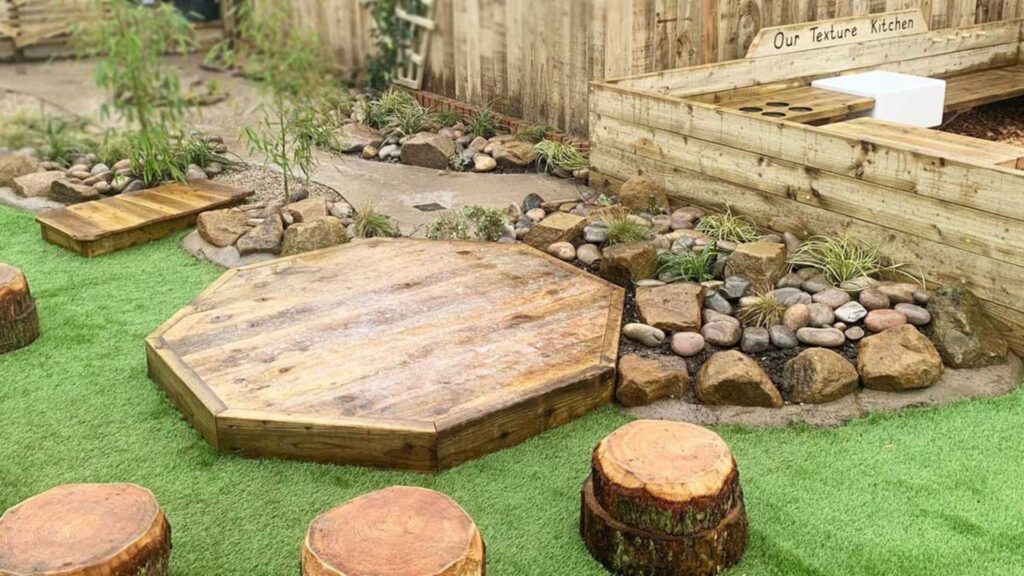
Incorporate natural materials like wood, stone, sand, and plants into your play area. Wooden logs and stumps make great seats or stepping stones. Rocks can become part of climbing or balancing games. Sand and soil provide opportunities for digging and building. Using natural elements keeps the space environmentally friendly and tactile.
Include Greenery and Plant Life
Add trees, shrubs, and flowers to create a lively environment. Plants not only beautify the area but also provide shade and fresh air. Involve children in planting and caring for gardens to teach responsibility and connect them to nature. Choose native plants that attract butterflies and birds for added interest.
Design Zones for Different Activities
Create separate zones for climbing, running, digging, and quiet exploration. A climbing area with logs or ropes encourages physical strength. A sandbox or garden bed invites digging and planting. A quiet corner with benches or hammocks offers a place to relax or read. Clearly defined zones help kids engage in various types of play.
Encourage Loose Parts Play
Loose parts are natural or found objects children can move, combine, or build with. Collect sticks, pinecones, leaves, shells, and stones to spark creativity. Loose parts help kids invent games and develop fine motor skills. Make sure these items are safe, clean, and suitable for all ages.
Safety Tips for Outdoor Nature Play
Check the area regularly for hazards such as sharp sticks, broken branches, or toxic plants. Keep the ground free of litter and debris. Use soft mulch, grass, or sand for safe landings in climbing or running zones. Install fences or barriers if necessary to keep children contained and safe.
Promote Exploration and Learning
Add features that encourage discovery, like bug houses, bird feeders, or small water features. These elements help children observe nature and ask questions. Label plants or create a nature trail with signs to combine play with learning. Outdoor play becomes an interactive classroom.
Involve Children in Designing the Space
Ask kids for ideas when planning the play area. Their input can make the space more inviting and meaningful. Let them help with planting, arranging materials, or choosing decorations. When children take part in creating the space, they feel more responsible and excited to use it.
Maintenance and Upkeep
Regularly water plants, replace worn-out materials, and clean the area to keep it safe and attractive. Check for pests and diseases in plants. Mulch bare soil to prevent erosion. Proper maintenance ensures the play area stays inviting and functional throughout the year.
Benefits of Nature-Inspired Outdoor Play Zones
These play areas support physical, emotional, and cognitive development. Kids improve coordination, balance, and strength. They develop curiosity, creativity, and cooperation with peers. Nature play also encourages mindfulness and a lifelong appreciation for the environment.
Conclusion
Creating nature-inspired outdoor play zones provides children with a rich, healthy environment to grow and learn. Use natural materials, plants, and safe designs to encourage exploration and fun. Involve kids in the process and maintain the space well. These thoughtful outdoor areas foster joyful, meaningful play every day.