

Structured play is a vital component of early childhood education, helping children learn while having fun. Unlike free play, structured play involves planned activities guided by teachers to achieve specific developmental goals. Through structured play, children explore new skills, practice problem-solving, and develop social abilities. Preschool teachers carefully design these activities to encourage curiosity and learning. By balancing guidance with creativity, structured play ensures that children grow academically, emotionally, and socially from the very start of their education journey.
Enhancing Cognitive Skills Through Play
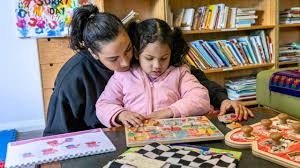
Structured play promotes cognitive development in preschoolers by challenging their thinking and decision-making. Activities such as sorting blocks by color, completing puzzles, or following simple instructions strengthen memory and logic. Moreover, structured play encourages children to ask questions and make predictions, helping them understand cause and effect. Preschool teachers use these exercises to introduce basic math, language, and science concepts in an engaging way. Consequently, structured play lays the foundation for strong critical thinking and problem-solving skills that will benefit children throughout their schooling.
Encouraging Social Interaction and Teamwork
Social skills are essential for preschool development, and structured play provides a safe environment for children to interact. Group games and collaborative activities teach children how to take turns, share, and resolve conflicts. Through guidance, preschool teachers help children express their feelings and understand others’ perspectives. Structured play also builds cooperation and communication skills, allowing children to develop friendships and confidence. By participating in group activities, children learn that working together can be enjoyable and rewarding, preparing them for future social and academic settings.
Supporting Emotional Growth and Self-Regulation
Structured play helps preschoolers manage emotions and develop self-control. Teachers guide children through activities that require patience, focus, and following rules, such as building towers or matching games. These experiences teach children how to cope with frustration and celebrate small successes. Additionally, structured play fosters independence as children learn to make decisions and complete tasks on their own. By consistently practicing emotional regulation during play, children develop resilience and confidence that support their long-term well-being and overall development.
Stimulating Creativity and Imagination
Even though structured play has specific goals, it also encourages creativity and imagination. Activities like themed storytelling, role-playing, or art projects allow children to explore ideas while following guidelines. Preschool teachers carefully balance direction with freedom, ensuring children can experiment and innovate. Structured play stimulates problem-solving through creative thinking, helping children view challenges from multiple perspectives. By combining structure and imagination, children enjoy meaningful learning experiences that enhance both their intellectual and emotional growth.
Developing Physical Skills Safely
Structured play supports physical development in preschoolers by incorporating movement and coordination. Teachers organize activities like obstacle courses, ball games, and guided exercises to improve motor skills and overall fitness. Such activities also teach children about spatial awareness, balance, and strength. Additionally, structured play helps children develop healthy habits, including safe movement and teamwork during active games. By integrating physical activities into structured play, preschoolers grow stronger, healthier, and more confident in their abilities.
Creating a Balanced Learning Environment
Preschool teachers use structured play to create a balanced and supportive learning environment. By combining academic goals with fun, children remain engaged and motivated throughout the day. Structured play also complements free play by providing focus and skill-building opportunities while maintaining enjoyment. Teachers monitor progress and adapt activities to meet the needs of each child. As a result, structured play ensures that preschoolers experience holistic development, preparing them for success in both school and life.
Conclusion: The Lasting Impact of Structured Play
Structured play is more than just fun—it shapes preschool development in meaningful ways. By supporting cognitive, social, emotional, creative, and physical growth, structured play provides children with essential skills for lifelong learning. Guided by preschool teachers, these activities inspire curiosity, confidence, and collaboration. Children who engage in structured play develop a love for learning that extends beyond the classroom. Ultimately, structured play proves that thoughtful guidance combined with playful exploration creates a foundation for success in all areas of life.