

Montessori-inspired play spaces create a calm, organized environment where children can learn through hands-on activities. This approach encourages independence, creativity, and focus. When you design a Montessori play space at home or school, you support your child’s natural curiosity and development. This article explains how to create a Montessori-inspired play space that is safe, simple, and inviting.
What is Montessori Play Space Design?
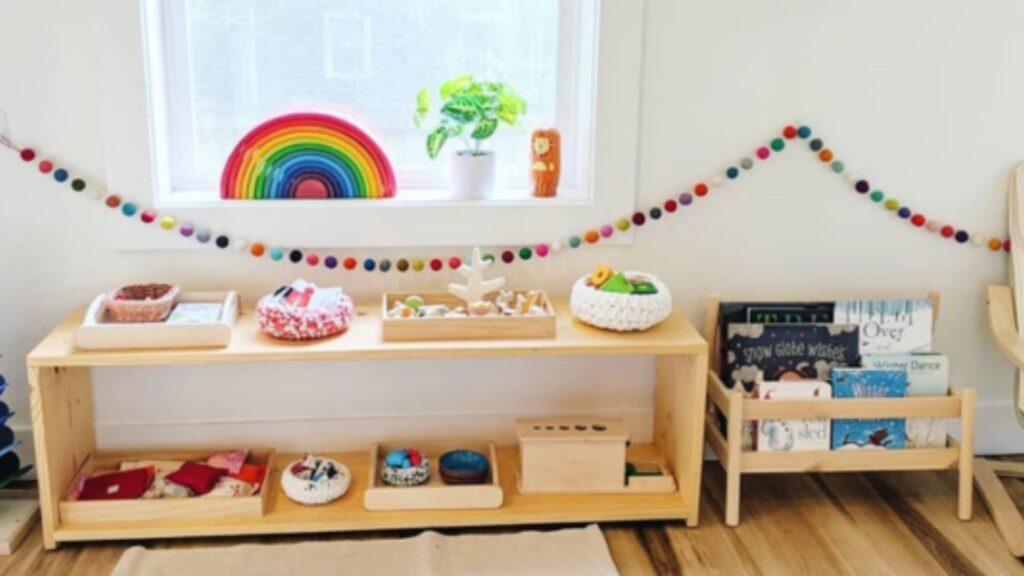
Montessori education emphasizes child-led learning, independence, and respect for a child’s pace. A Montessori play space is designed to let children explore materials freely and develop skills naturally. The space is organized, uncluttered, and filled with real, natural materials that are easy to use.
Key Principles of Montessori Play Spaces
-
Order: Everything has a place, and materials are arranged neatly.
-
Accessibility: Children reach toys and tools easily without help.
-
Simplicity: The space is calm and free of distractions.
-
Natural Materials: Use wood, metal, and fabric instead of plastic.
-
Child-Sized Furniture: Tables, chairs, and shelves fit the child’s size.
Choosing the Right Location
Pick a quiet, well-lit room or corner for the Montessori play space. Natural light is ideal because it creates a warm, inviting atmosphere. Avoid busy areas with loud noise or distractions. The space should feel peaceful and focused.
Organize Materials Thoughtfully
Use low shelves so children can see and reach everything. Arrange toys and materials by category: practical life activities, sensory tools, language, math, and art. Place only a few items on each shelf to avoid clutter and overwhelm. Rotate materials regularly to keep interest high.
Use Natural, Real-World Materials
Montessori play spaces favor natural materials that connect children to the world around them. Wooden blocks, metal kitchen tools, glass jars, and fabric pieces work well. These materials provide different textures and encourage careful handling and respect.
Encourage Practical Life Skills
Include activities that teach daily life skills like pouring, sorting, buttoning, and cleaning. Use child-sized pitchers, bowls, and cloths. These tasks build concentration, coordination, and independence. Practical life activities also help children feel capable and confident.
Create a Calm and Inviting Atmosphere
Keep colors neutral and soft to avoid overstimulation. Use natural tones like beige, soft greens, and pastels. Remove bright, flashy toys that can distract. Add plants or simple artwork to bring calm energy. The environment should invite children to explore quietly and thoughtfully.
Child-Sized Furniture and Tools
Provide tables, chairs, and shelves that match the child’s height. This helps kids work comfortably and independently. Use baskets or trays to carry materials easily. Child-sized tools, like small brooms and dustpans, encourage responsibility and care for the space.
Foster Independence and Responsibility
Montessori spaces encourage children to choose activities and clean up afterward. Teach kids to return materials to their places. This routine builds respect for the environment and self-discipline. A well-maintained space helps children feel proud of their work.
Benefits of Montessori-Inspired Play Spaces
Montessori play areas promote focus, creativity, and problem-solving. Children learn at their own pace and build confidence. They develop fine motor skills and practical abilities that support daily life. The calm, ordered space reduces stress and distractions, improving learning outcomes.
Conclusion
Designing a Montessori-inspired play space means creating a simple, natural, and organized environment that supports your child’s independence and growth. Choose natural materials, child-sized furniture, and clear organization to foster creativity and learning. With this approach, children thrive in a calm, focused setting that respects their pace and interests.