

The earliest years of life are foundational. During this critical time, children’s brains are rapidly developing, and every experience helps shape how they learn, communicate, and connect with others. That’s why preschools support development in babies by offering structured, nurturing environments designed to meet their cognitive, emotional, and physical needs.
Preschools are not just for older children; many now include infant and toddler programs focused on whole-child development. These early experiences play a vital role in helping babies reach important milestones and build skills that last a lifetime.
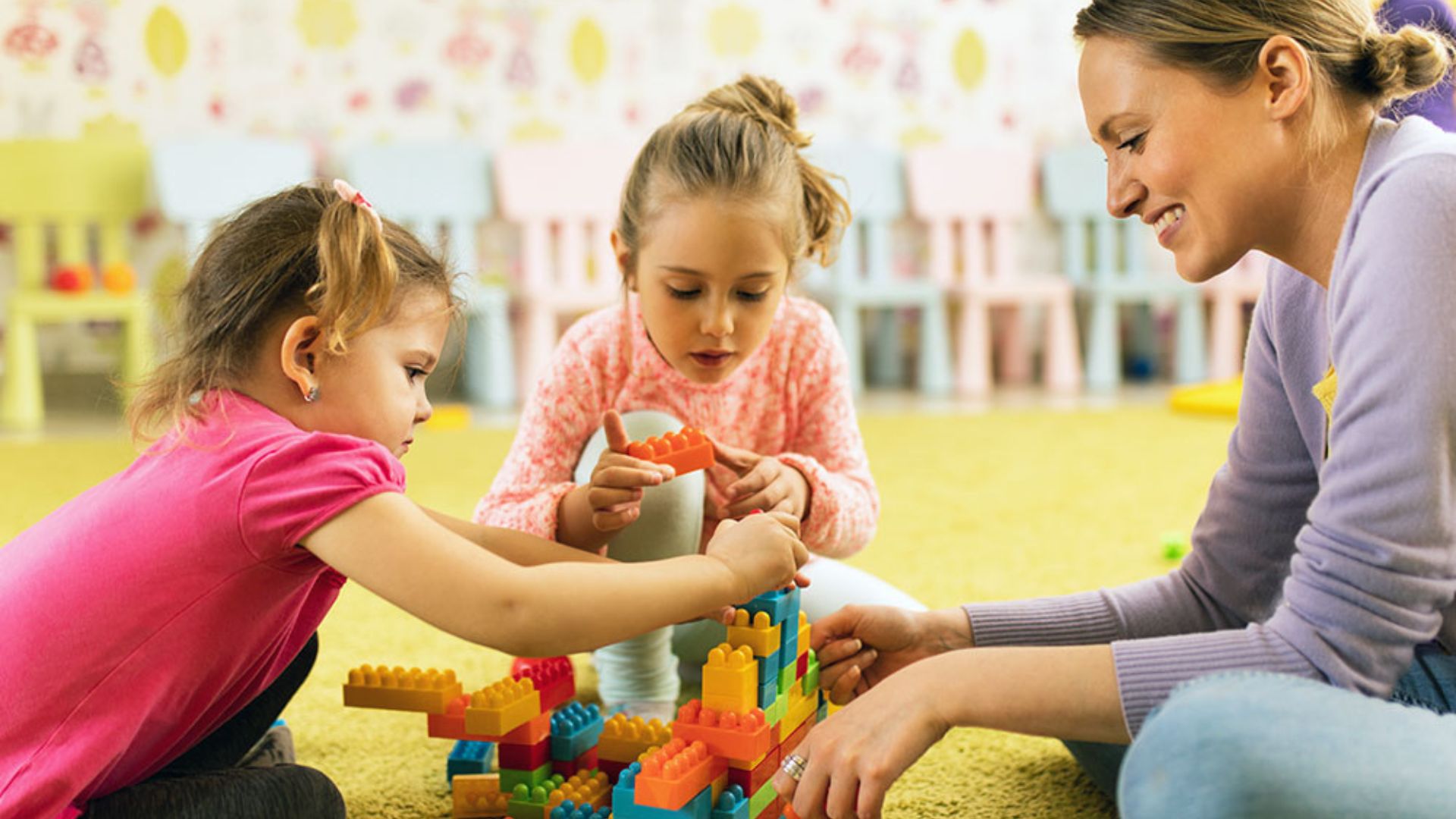
The Importance of Early Childhood Development
Between birth and age three, a baby’s brain forms more than a million neural connections per second. This period of intense growth means babies are especially responsive to positive, enriching environments.
Key areas of early development include:
-
Cognitive skills – thinking, exploring, problem-solving
-
Language skills – understanding and using words
-
Motor skills – both large (crawling, walking) and small (grasping, stacking)
-
Social and emotional skills – forming relationships and managing feelings
High-quality preschools provide the structure and support babies need to grow in all these areas.
How Preschools Support Development in Babies
1. Encouraging Cognitive Growth Through Play
Babies learn by exploring. Preschools use age-appropriate activities that stimulate curiosity and cognitive development, such as:
-
Stacking blocks
-
Matching shapes and colors
-
Cause-and-effect toys
-
Music and rhythm games
These activities build problem-solving skills, memory, and the ability to focus—core parts of brain development.
2. Supporting Language and Communication Skills
From cooing and babbling to forming words and phrases, babies rapidly develop communication abilities. Preschool environments support this with:
-
Daily storytime
-
Singing and rhyming
-
One-on-one conversations with caregivers
-
Sign language or visual cues for non-verbal babies
Because preschools support development in babies through constant verbal interaction, children are exposed to a rich vocabulary that boosts both understanding and speaking.
3. Strengthening Motor Skills
Movement is essential to development. Preschools encourage both fine and gross motor skill growth through hands-on activities like:
-
Crawling through tunnels or obstacle courses
-
Scribbling with crayons or finger paints
-
Picking up soft toys, stacking blocks, or using play dough
-
Dancing and stretching during music time
These activities enhance coordination, balance, and muscle strength while keeping babies active and engaged.
4. Fostering Social and Emotional Development
Learning how to connect with others starts early. In preschools, even the youngest babies begin forming healthy relationships with caregivers and peers. Key strategies include:
-
Consistent caregiver-baby interactions for trust building
-
Gentle routines that teach predictability and emotional safety
-
Group play that introduces turn-taking and empathy
-
Comfort strategies that support emotional regulation
With the right environment, babies begin to understand feelings, express themselves, and build the foundation for future friendships.
What Makes a Preschool Environment Ideal for Babies?
Not all preschools are the same. A high-quality program that supports development in babies will include several essential features:
1. Responsive Caregivers
Babies thrive when adults respond consistently and lovingly to their needs. A low caregiver-to-child ratio ensures each baby receives attention, eye contact, and comfort when needed.
2. Safe, Stimulating Spaces
The physical environment should be:
-
Baby-proofed and hygienic
-
Filled with age-appropriate sensory materials
-
Designed for movement and exploration
-
Organized into learning zones (quiet play, active play, rest areas)
Because preschools support development in babies, they take care to make every part of the space both safe and developmentally rich.
3. Routine and Structure
Consistent daily routines help babies feel secure and understand what to expect. Predictable schedules for feeding, naps, play, and care build confidence and reduce anxiety.
4. Family Involvement
Effective preschools encourage communication between caregivers and parents. Regular updates, photos, and progress reports keep families informed and engaged in their baby’s development.
Long-Term Benefits of Preschool for Babies
Many studies show that early childhood education has lasting effects on a child’s future. Babies who attend high-quality preschool programs often experience:
-
Stronger language and math skills by kindergarten
-
Better emotional regulation and attention control
-
More confidence and social awareness
-
Smoother transitions into school environments
In other words, preschools support development in babies in ways that continue well into later childhood and beyond.
How to Choose the Right Preschool for Your Baby
If you’re considering enrolling your baby in a preschool or early learning center, here are a few key factors to look for:
-
Trained, nurturing staff who understand infant development
-
A clean, safe environment that promotes exploration
-
A flexible but consistent daily schedule
-
Low child-to-teacher ratios
-
Engaging materials that promote sensory, language, and motor development
Visit the center, ask questions, and observe how caregivers interact with babies. Your instincts matter—if the space feels warm, welcoming, and responsive, it’s likely a good fit.
Final Thoughts
The first few years of a child’s life lay the foundation for everything that follows. With the right environment, babies don’t just grow—they thrive. High-quality preschools provide the structure, attention, and stimulation that developing brains and bodies need.