
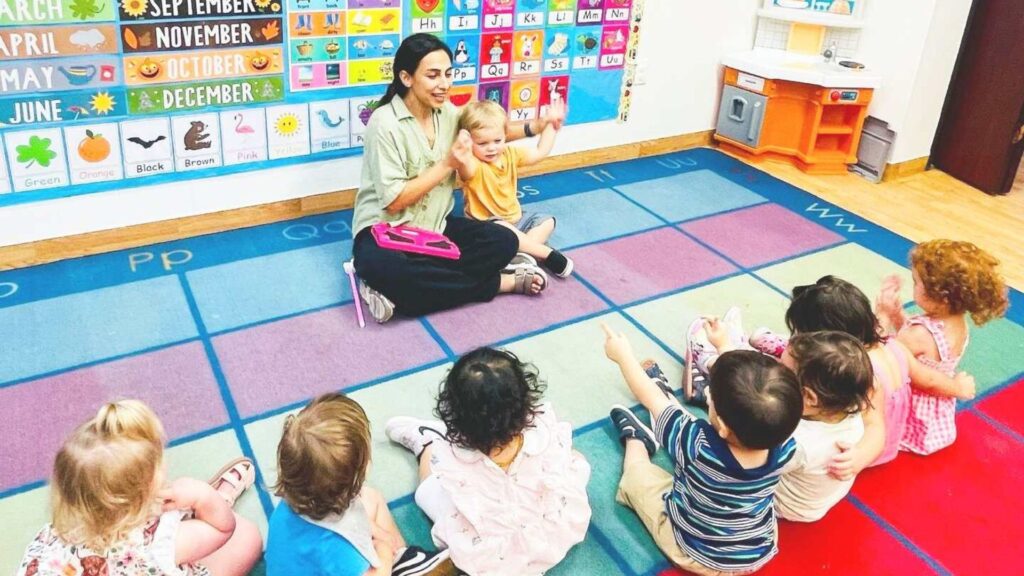
Early childhood is a time of wonder, exploration, and rapid development. During these formative years, the environment a child learns in can shape not only their academic foundation but also their emotional and social well-being. One of the most powerful truths in early education is that preschools provide joyful learning environments that nurture the whole child. When children learn in a space filled with joy, curiosity, and connection, they thrive in ways that traditional instruction alone cannot achieve.
Why Joy Matters in Early Learning
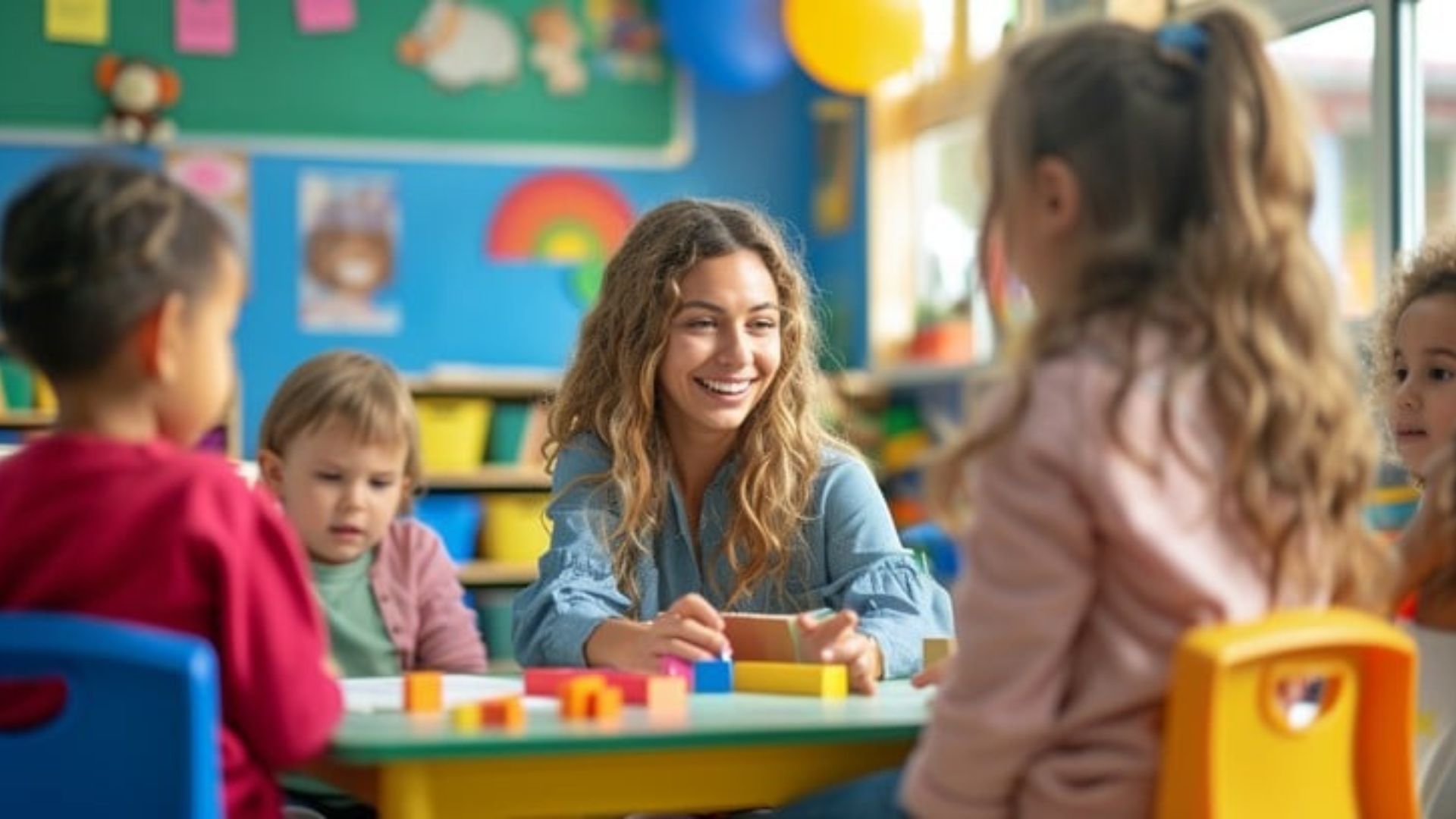
Joy is not just a pleasant feeling—it’s a catalyst for learning. When children feel happy, safe, and engaged, they’re more likely to explore, try new things, and persist through challenges. Preschool environments are uniquely designed to spark this kind of joy through play-based learning, meaningful relationships, and hands-on experiences.
How Joy Enhances Learning
-
Increases attention and focus
-
Boosts memory and retention
-
Builds intrinsic motivation
-
Encourages creative problem-solving
-
Strengthens emotional resilience
Because preschools provide joyful learning environments, children are not only learning facts and skills—they’re developing a lifelong love of learning.
The Role of Play in Joyful Learning
Play is at the heart of joyful learning in preschool. It’s how young children make sense of the world, experiment with ideas, and express themselves. High-quality preschools view play not as a break from learning, but as the primary method of learning.
Different Types of Play That Support Learning
-
Dramatic play: Helps with social development and imagination
-
Constructive play: Enhances problem-solving and fine motor skills
-
Sensory play: Supports cognitive growth and self-regulation
-
Outdoor play: Builds physical health and teamwork skills
By giving children the freedom to play and explore, preschools provide joyful learning environments that honor how young minds naturally grow.
Supportive Educators Make the Difference
Teachers in preschools are more than caretakers—they are facilitators of joyful discovery. They observe children closely, provide gentle guidance, and introduce new ideas based on each child’s interests and needs.
Ways Educators Create Joyful Learning
-
Celebrate small achievements with genuine enthusiasm
-
Offer choices to empower children
-
Build warm, trusting relationships
-
Encourage questions and curiosity
-
Create inclusive environments where every child feels seen and valued
Because of these intentional actions, preschools provide joyful learning environments where children feel safe to express themselves, take risks, and explore new ideas.
Classroom Environments That Spark Joy
Physical space plays a huge role in how children feel and learn. Preschool classrooms are designed to be inviting, colorful, and full of possibilities. Every corner is a place to discover something new.
Key Features of Joyful Preschool Classrooms
-
Natural lighting and cozy reading nooks
-
Hands-on materials that invite exploration
-
Artwork and creations displayed at child’s eye level
-
Learning centers with themed activities
-
Calm, quiet zones for reflection and rest
Through these thoughtful touches, preschools provide joyful learning environments that feel like an extension of home, not a miniature version of elementary school.
Joy Builds Stronger Social and Emotional Skills
In joyful classrooms, children don’t just learn academics—they also develop critical emotional and social abilities. Through group play, sharing experiences, and navigating emotions together, preschoolers build empathy, cooperation, and conflict resolution skills.
Emotional Benefits of Joyful Learning
-
Increased self-confidence
-
Better emotional regulation
-
Stronger peer relationships
-
Positive associations with school and learning
Because preschools provide joyful learning environments, they help children grow into emotionally balanced individuals ready to handle future academic and social challenges.
Learning Without Pressure
One of the biggest advantages of preschool is the freedom to learn without stress. There are no tests or grades—just natural curiosity and joyful engagement. Children are free to make mistakes, try again, and discover new things at their own pace.
This low-pressure setting helps children develop a growth mindset, where effort is valued and challenges are seen as opportunities.
Parents Notice the Difference
Parents often report that children who attend joyful preschools come home eager to talk about their day. They’re more expressive, imaginative, and confident. This enthusiasm for learning doesn’t come from worksheets or drills—it comes from an environment where joy and curiosity are central.
What Parents See
-
Children singing songs they learned in class
-
Role-playing activities from their school day
-
Increased vocabulary and storytelling
-
Excitement about returning to preschool each day
This is further proof that preschools provide joyful learning environments that support growth both in and out of the classroom.
Final Thoughts
When early education is joyful, it becomes more than preparation for kindergarten—it becomes a foundation for life. The laughter, the stories, the messy art projects, and the spontaneous questions all serve a greater purpose: to help children fall in love with learning.
It’s not about pushing academic skills early—it’s about creating a space where children feel free to wonder, explore, and be themselves. That’s why preschools provide joyful learning environments that matter deeply for a child’s future.