
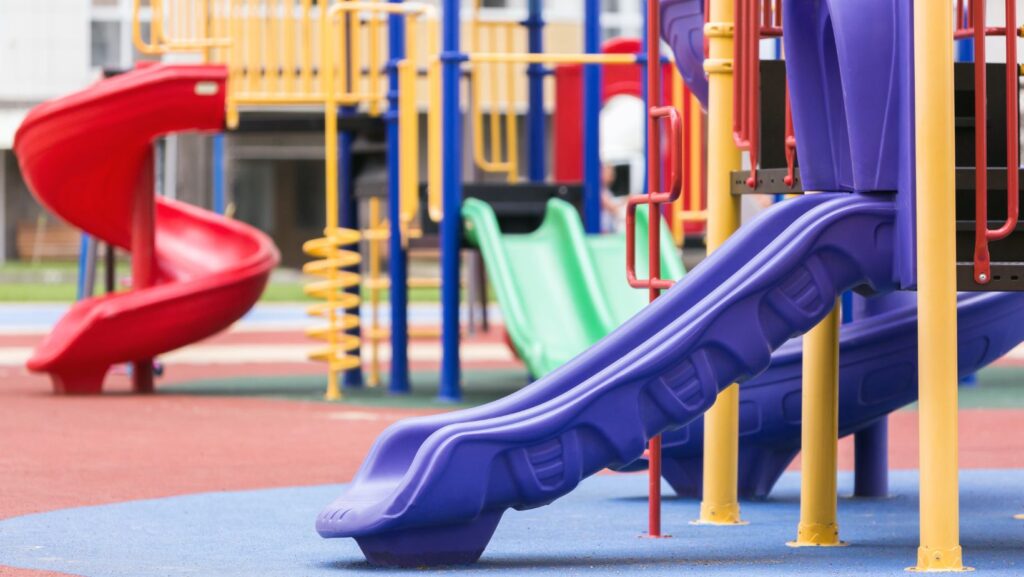
Selecting the right play equipment for your child is a decision that combines fun, safety, and long-term value. A well-designed play space promotes physical activity, social interaction, and creativity. Whether you’re outfitting a backyard, indoor area, or community space, here are essential factors to consider when choosing kids’ play equipment.
Consider Age and Developmental Stage
Age-appropriateness is the first thing to evaluate when shopping for play equipment. Equipment designed for older children can pose risks for toddlers, while equipment meant for younger children may not hold the interest of older kids.
- For infants and toddlers: Opt for low-to-the-ground equipment like small slides, soft mats, activity cubes, and baby swings.
- For preschoolers: Choose medium-height climbing structures, interactive panels, playhouses, and slides with side railings.
- For school-age children: Look for monkey bars, rope climbers, obstacle courses, and higher platforms.
Matching the equipment to your child’s age ensures safety and supports skill development at each stage.
Focus on Safety Features
Safety is non-negotiable when it comes to choosing play equipment. Always inspect each product for safety features that minimize the risk of injury.
- Surfaces should be smooth, with no sharp edges, splinters, or exposed bolts.
- Handrails and guardrails should be present on elevated platforms.
- Spacing between bars, railings, or steps should prevent head or limb entrapment.
- Ensure stability by checking that the equipment is well-balanced and anchored properly.
Look for signs of durability and solid construction to ensure the equipment can withstand active use.
Choose Durable and Kid-Friendly Materials
The best play equipment is made from high-quality, non-toxic materials that are safe and long-lasting.
- Plastic: Lightweight, colorful, and resistant to rust and rot—great for indoor or small outdoor spaces.
- Wood: Offers a natural look and is often used in larger outdoor setups. Choose pressure-treated or naturally weather-resistant wood.
- Metal: Extremely durable and suited for commercial or outdoor use, but should be coated to prevent rust and overheating in the sun.
Each material has pros and cons, so your choice should depend on climate, budget, and maintenance expectations.
Evaluate the Play Area and Available Space
Before purchasing any play equipment, measure the space where it will be installed. Consider how much room the equipment takes up as well as the space around it needed for safe play.
- Leave enough clearance around swings, slides, and climbing areas.
- Avoid placing equipment too close to fences, walls, or hard surfaces.
- Choose equipment that suits the shape and layout of your yard or indoor playroom.
If space is limited, opt for compact, multi-use designs that combine various play elements in one structure.
Think About Learning and Skill Development
Good play equipment does more than entertain—it also helps children learn and grow. Look for equipment that supports a wide range of skills.
- Physical skills: climbing walls, slides, tunnels, and balance beams develop coordination and strength.
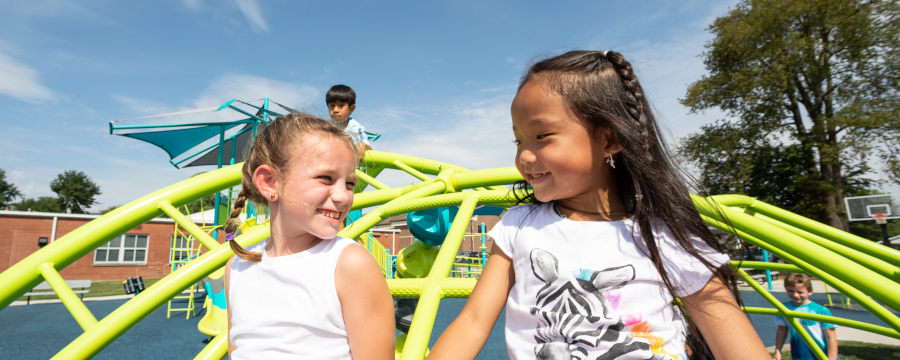
- Social skills: large structures with multiple entry points allow group play and cooperation.
- Cognitive skills: interactive panels, puzzles, and themed equipment stimulate creativity and problem-solving.
Choosing equipment that combines fun with developmental benefits gives your child more opportunities to thrive.
Prioritize Ease of Maintenance
Kids’ play equipment should be easy to clean and maintain. Dirt, weather, and daily use can wear down even the best designs.
- Plastic is easy to wipe down and doesn’t require sealing.
- Wood may need occasional sanding and treatment to avoid rot or splinters.
- Metal components should be checked regularly for rust or peeling paint.
Select equipment that fits your lifestyle and maintenance routine to ensure long-term use.
Ensure Proper Ground Surfacing
The area beneath play equipment is just as important as the structure itself. A soft surface helps prevent injuries from falls.
- Use safety surfaces like rubber mulch, foam tiles, artificial grass, or wood chips.
- Avoid concrete or hard ground directly under or around play equipment.
- Ensure that the surfacing extends well beyond the equipment’s edges, especially under swings or slides.
Safe surfacing creates a more forgiving play environment for active children.
Include Features That Encourage Imaginative Play
While climbing, sliding, and swinging are great, imaginative play should also have a place in your setup.
- Look for equipment with pretend play features like playhouses, ship wheels, or market stands.
- Choose themed playsets like castles, forts, or fire trucks to inspire creative storytelling.
- Add accessories like chalkboards, tunnels, or musical panels to invite exploration and pretend games.
These features add variety and keep children engaged for longer periods.
Set a Budget and Plan for Growth
Play equipment comes in a wide range of prices, so it’s important to set a realistic budget and consider future needs.
- Start with essential features if you’re on a budget, then expand over time.
- Modular sets or add-on accessories allow you to build a more complex play area gradually.
- Investing in slightly more durable and versatile equipment can save money in the long run.
Plan for growth so the play area remains engaging as your child develops new interests and skills.
Final Thoughts
Choosing kids’ play equipment involves more than just picking out something fun. By considering age-appropriateness, safety, materials, space, and educational value, you can create a play environment that supports your child’s development while ensuring their safety and enjoyment. With thoughtful planning, your child’s play area can become a favorite place for years to come. If you’d like, I can help you create a personalized play equipment checklist based on your child’s age, interests, and available space.