
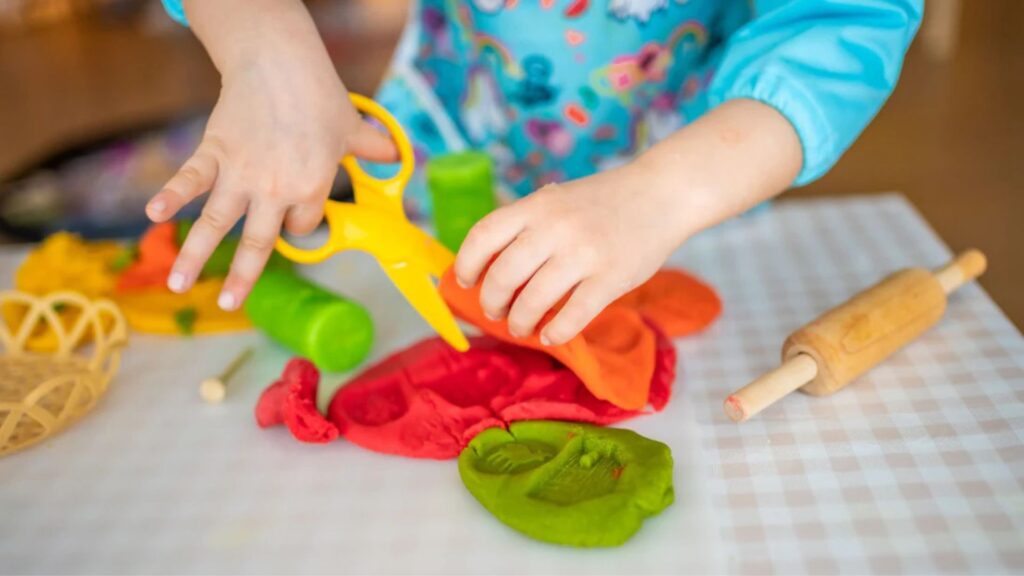
In the earliest years of life, children’s brains grow at an astonishing rate. During this time, experiences that involve touch, sight, sound, smell, and taste play a crucial role in shaping how they understand the world. One of the most effective and natural ways to support this development is through sensory play. More than just messy fun, sensory play boosts cognitive growth by laying the groundwork for complex thinking, language skills, and problem-solving abilities.
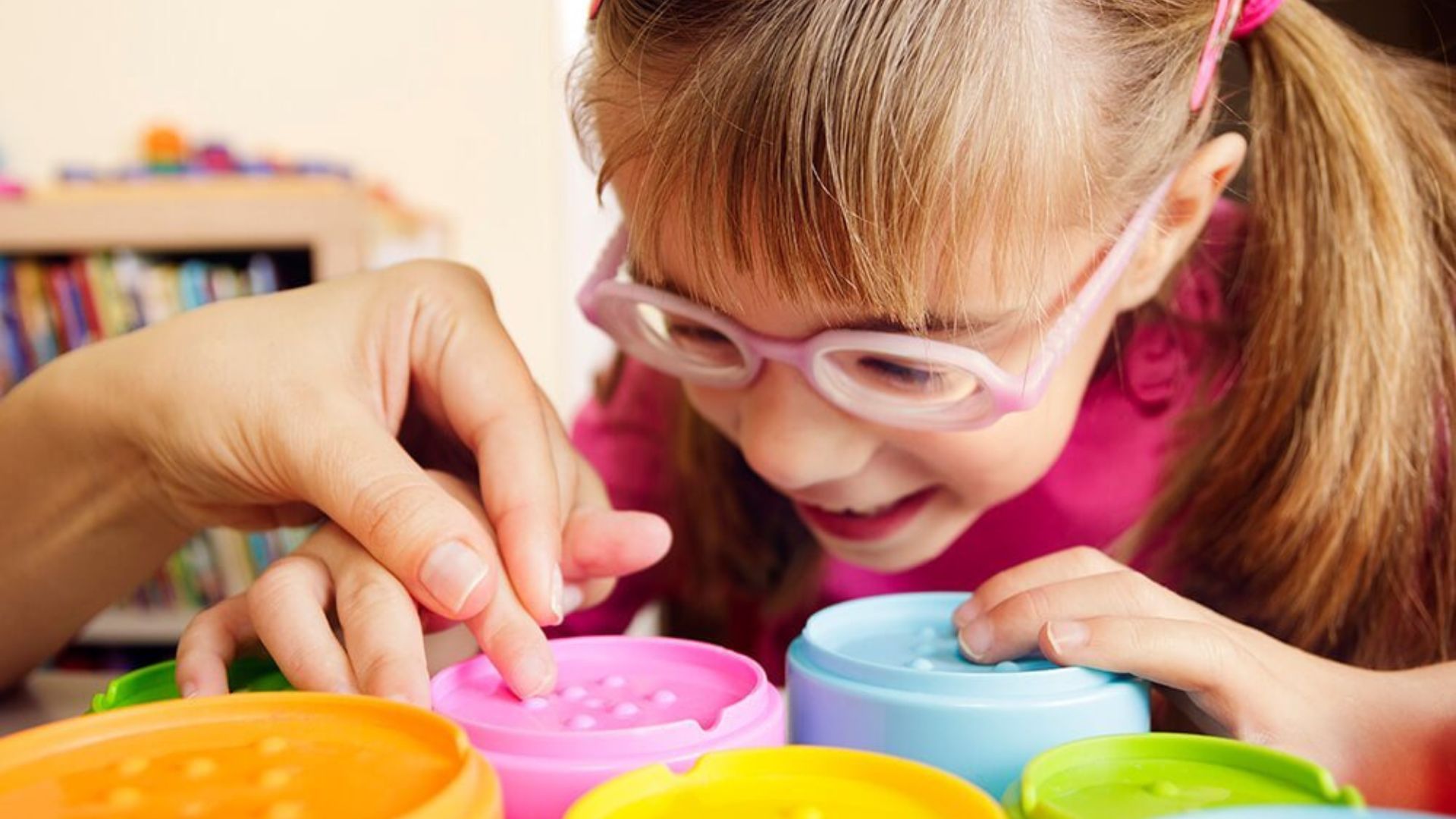
What Is Sensory Play?
Sensory play involves any activity that stimulates a child’s senses. It encourages children to explore materials using sight, touch, taste, sound, and smell—along with movement and balance. These experiences help build neural connections in the brain and are especially powerful in early childhood when the brain is most adaptable.
Common Sensory Play Activities
-
Playing with water, sand, or mud
-
Exploring textures like rice, pasta, or shaving cream
-
Listening to different sounds (instruments, nature sounds, music)
-
Smelling scented playdough or herbs
-
Tasting safe foods with varied flavors and textures
-
Walking barefoot on different surfaces
Because sensory play boosts cognitive growth, these everyday activities become powerful tools for learning.
How Sensory Play Supports Brain Development
When children engage in sensory play, their brains process a large amount of information. They learn to compare, categorize, and make connections between what they see, hear, feel, or smell. These sensory inputs are not isolated—they link to memory, language, and decision-making.
Key Cognitive Benefits of Sensory Play
-
Enhanced memory: Sensory experiences help children retain and recall information
-
Problem-solving skills: Children experiment, make predictions, and adjust strategies
-
Language development: As children describe textures, sounds, or sensations, they expand their vocabulary
-
Focused attention: Sensory tasks require concentration and build attention spans
-
Executive functioning: Activities like scooping, pouring, or sorting improve planning and organization
It’s easy to overlook how something as simple as playing with a bin of beans can contribute to brain growth—but science shows that sensory play boosts cognitive growth in profound ways.
Sensory Play Encourages Curiosity and Exploration
Children are natural scientists. They want to know how things feel, sound, and react. Sensory play taps into this curiosity and creates open-ended learning opportunities. There’s no right or wrong way to explore, which allows children to be creative and confident in their choices.
Why Open-Ended Play Matters
-
Promotes independent thinking
-
Encourages experimentation
-
Allows risk-taking in a safe environment
-
Supports personalized learning paths
As they pour water, mix colors, or dig through textured materials, children are doing more than playing—they’re developing a deeper understanding of their world. This is one of the key reasons sensory play boosts cognitive growth so effectively.
Connecting Physical and Mental Development
Cognition isn’t just about thinking—it also involves coordination, fine motor control, and the integration of sensory systems. Sensory play bridges the gap between physical experience and mental processing.
Examples of Physical-Cognitive Connections
-
Scooping and pouring help with math concepts like volume and measurement
-
Finger painting strengthens fine motor skills and pre-writing development
-
Sorting by texture or color teaches categorization and pattern recognition
-
Balancing on uneven surfaces builds spatial awareness and body control
These experiences show that sensory play boosts cognitive growth by blending mental tasks with physical activity, supporting holistic development.
Sensory Play in Preschool Classrooms
High-quality preschools intentionally include sensory play in their daily routines. From sensory tables filled with kinetic sand to nature walks that engage sight and sound, these activities are more than just breaks from structured learning—they are the foundation of it.
How Teachers Use Sensory Play
-
Introduce new concepts in science and math
-
Support children with sensory processing challenges
-
Encourage social interaction through group play
-
Foster calm and focus through soothing textures and sounds
Because educators understand that sensory play boosts cognitive growth, they use it strategically to enhance learning across all developmental domains.
Supporting Sensory Play at Home
Parents can easily incorporate sensory play into daily life. It doesn’t require expensive toys or elaborate setups—just a bit of creativity and a willingness to let children explore.
Simple Sensory Play Ideas for Home
-
Make homemade playdough with scents and colors
-
Create a sensory bin with dried beans, spoons, and cups
-
Freeze small toys in ice and let children “rescue” them
-
Use a muffin tin to sort items by texture or color
-
Set up a taste-testing game with safe, varied foods
These simple setups can go a long way in supporting development because sensory play boosts cognitive growth, even in the comfort of home.
Final Thoughts
Sensory play isn’t just a fun way to pass the time—it’s a powerful, brain-building activity that supports all areas of cognitive development. When children engage their senses, they learn deeply, retain information longer, and build the skills they’ll need for future academic and social success.
By encouraging sensory play in both homes and classrooms, we give children the tools they need to grow, learn, and discover with confidence. It’s clear that sensory play boosts cognitive growth, making it an essential part of every young child’s learning journey.