
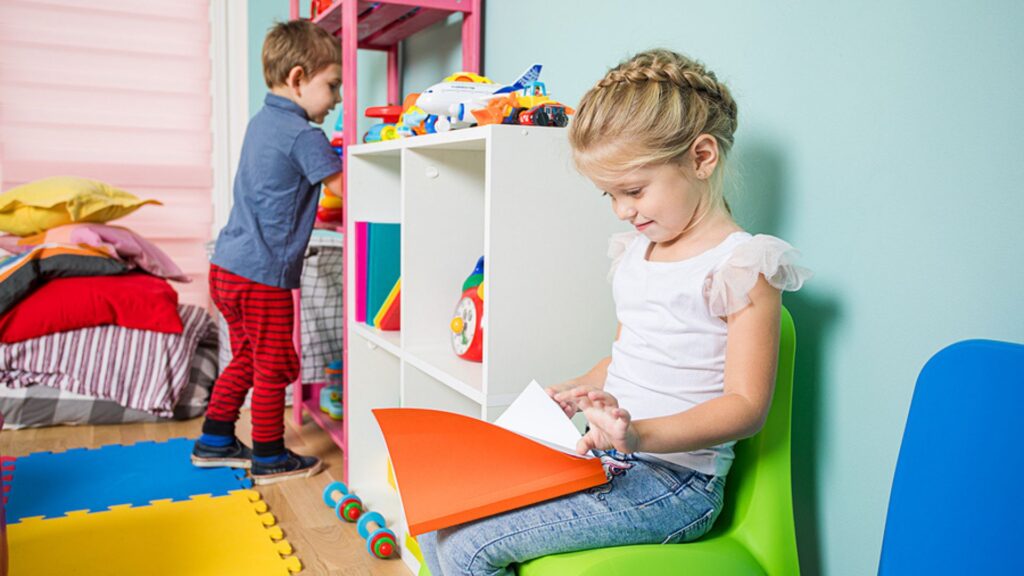
The foundation of early childhood education lies in the environment where children spend their most formative years. A preschool’s atmosphere significantly impacts how children engage, learn, and develop. When preschools create fun learning spaces, they provide more than just a classroom—they build vibrant, dynamic environments where curiosity flourishes, creativity blooms, and social skills grow naturally.
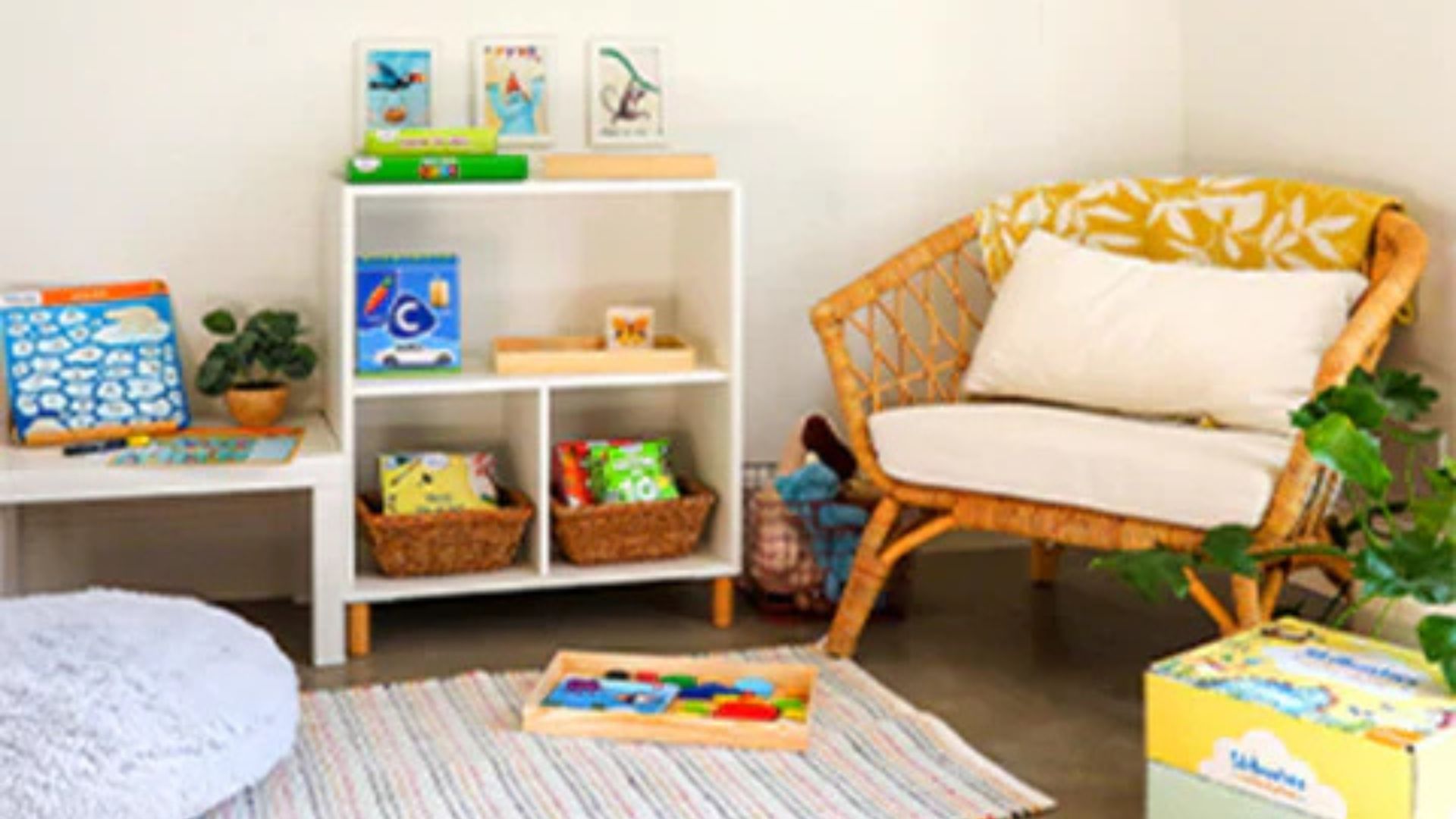
Why Environment Matters in Early Learning
Young children are sensory learners, absorbing information from everything they see, hear, touch, and explore. The physical space and materials available can either encourage exploration or hinder it. When thoughtfully designed, preschool environments invite children to engage actively, make choices, and feel excited about learning.
Benefits of Fun Learning Spaces:
-
Inspire curiosity and independent exploration
-
Support diverse learning styles and developmental needs
-
Promote positive social interactions
-
Encourage creativity and problem-solving
-
Foster emotional security and confidence
It’s clear that when preschools create fun learning spaces, they set the stage for meaningful, joyful early education.
Features of Fun Learning Spaces in Preschools
Successful learning spaces combine comfort, accessibility, variety, and organization. These elements work together to make children feel safe, motivated, and empowered.
Key Features Include:
-
Bright, inviting colors and natural light that stimulate the senses
-
Clearly defined activity areas for reading, art, science, and imaginative play
-
Accessible materials and child-sized furniture that promote independence
-
Soft spaces for quiet time or group gatherings to balance activity and rest
-
Interactive displays and learning tools that encourage hands-on discovery
When these features come together, they create an environment where preschools create fun learning spaces that children love to explore.
Encouraging Curiosity Through Play Areas
Play is the heart of preschool learning, and well-designed play areas nurture curiosity and creativity. Whether it’s a sensory table, a dramatic play corner, or a construction zone, these spaces invite children to experiment and imagine.
Popular Play Areas That Inspire Learning:
-
Sensory tables with water, sand, or textured materials
-
Pretend play corners with costumes, kitchen sets, or tools
-
Building and construction zones with blocks, Legos, and puzzles
-
Art studios stocked with paints, clay, and craft supplies
-
Nature and science corners featuring plants, rocks, and magnifying glasses
Each area offers open-ended play that supports multiple learning domains, demonstrating how preschools create fun learning spaces that engage the whole child.
Social Interaction in Shared Spaces
Fun learning spaces also foster social development by encouraging group activities and cooperative play. When children share space and resources, they practice communication, negotiation, and empathy.
Social Benefits of Shared Learning Spaces:
-
Taking turns and sharing materials
-
Collaborating on group projects or games
-
Learning to express ideas and listen to others
-
Building friendships and understanding social cues
By designing areas that support group play, preschools create fun learning spaces that help children build essential social skills.
Flexibility and Adaptability for Growing Learners
Children’s interests and developmental needs change rapidly during the preschool years. Learning spaces that are flexible and adaptable ensure that children remain engaged and challenged.
How Preschools Create Adaptable Spaces:
-
Using movable furniture and modular storage
-
Rotating materials and toys regularly
-
Creating multipurpose areas that can serve different activities
-
Involving children in organizing and personalizing spaces
This flexibility keeps the environment fresh and responsive, allowing preschools to create fun learning spaces that evolve alongside their students.
The Role of Teachers in Shaping Learning Spaces
Teachers are the architects of preschool environments, carefully selecting materials and arranging spaces to spark interest and support learning goals. Their observations guide adjustments and enhancements to meet children’s needs.
Teacher Contributions Include:
-
Setting up inviting displays and activity centers
-
Introducing new materials based on developmental milestones
-
Encouraging children to use spaces creatively
-
Facilitating group activities and individual exploration
-
Maintaining safety and organization
With thoughtful planning and ongoing attention, educators ensure that preschools create fun learning spaces that are both exciting and nurturing.
Involving Families in the Learning Environment
Parents and caregivers are key partners in early education. When families are welcomed into the learning space through open houses, family projects, or communication, children feel supported and valued.
Family Engagement Strategies:
-
Sharing photos or stories of classroom activities
-
Inviting families to contribute materials or cultural items
-
Offering ideas for extending learning at home
-
Encouraging family participation in events and celebrations
Strong family connections reinforce the positive impact of the environment, making it clear that preschools create fun learning spaces that connect school and home.
Conclusion
Creating fun learning spaces is about more than just decoration—it’s about designing environments that inspire, engage, and support every aspect of a child’s development. When preschools create fun learning spaces, they foster a love of learning that lasts a lifetime. These spaces invite children to explore confidently, interact meaningfully, and grow holistically, making early education a joyful and transformative experience.