
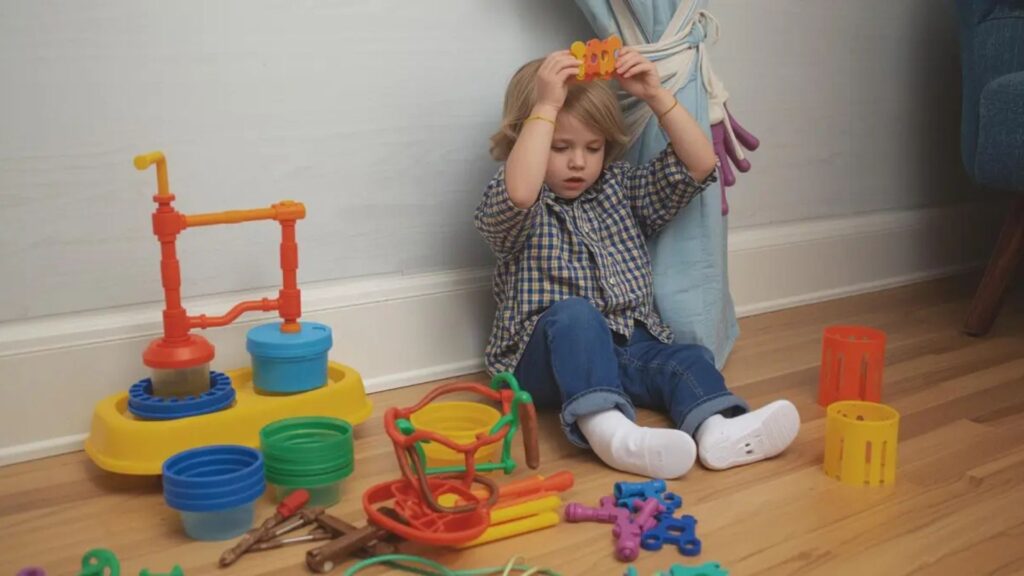
Children with autism or sensory processing needs experience the world differently. Their senses may feel stronger, weaker, or mixed up compared to others. This can make everyday experiences confusing or overwhelming. Sensory play offers a way to help these children explore their senses safely, build skills, and feel calm. In this article, we will explain why sensory play is especially important for children with autism or sensory processing challenges. We will also share ideas and tips to make sensory play supportive and fun.

What Is Sensory Processing?
Sensory processing is how the brain receives and organizes information from the senses. When sensory processing works well, children can understand and respond to sounds, sights, textures, and movements easily. But some children struggle to process sensory information, leading to either over-sensitivity or under-sensitivity.
For example, a child might:
-
Cover their ears because sounds seem too loud
-
Avoid certain textures like sticky or rough materials
-
Seek strong movement by spinning or jumping
Sensory play can help these children find a better balance.
Why Sensory Play Matters for Children with Autism or Sensory Needs
Sensory play helps by:
-
Building comfort with sensory input: It lets children explore new sensations at their own pace, reducing fear or avoidance.
-
Supporting self-regulation: Children learn to calm down when they feel stressed or anxious by using sensory activities.
-
Improving focus and attention: Sensory play can prepare the brain for learning and make it easier to concentrate.
-
Encouraging communication and social skills: Many sensory activities can be shared with others, helping children connect.
-
Developing motor skills: Sensory play strengthens fine motor skills (using hands) and gross motor skills (using large muscles).
Sensory Play Ideas for Children with Autism or Sensory Needs
Weighted Blankets or Lap Pads
These provide gentle pressure, which many children find comforting. It helps the body feel grounded and calm.
Kinetic Sand or Playdough
These materials are soft, moldable, and easy to shape. They encourage hand use and creativity.
Water Play with Floating Toys
Water is soothing and fun. Floating toys add extra interest and help with focus.
Bubble Tubes or Calm-Down Bottles
Watching bubbles rise or glitter swirl is calming and helps with visual tracking.
Sensory Brushes or Textured Balls
Light brushing or feeling different textures can help regulate touch sensitivity.
Noise-Canceling Headphones
Sometimes loud sounds are overwhelming. Headphones can help children feel safe in noisy places.
Swing or Movement Activities
Gentle swinging or rocking provides deep pressure and helps regulate the vestibular (balance) system.
Scent Jars or Essential Oils
Smelling familiar or soothing scents like lavender can calm emotions.
Tips for Successful Sensory Play
-
Follow the child’s lead. Let them choose what they want to explore and for how long.
-
Create a safe space. Set up a quiet, comfortable area for sensory play with minimal distractions.
-
Use visual schedules. Children with autism often do well with routines and knowing what comes next.
-
Watch for signs of overload. If a child becomes upset or overwhelmed, give them a break or change activities.
-
Combine sensory play with other therapies. Occupational therapists often use sensory play as part of treatment.
Final Thoughts
Sensory play is a powerful tool for children with autism or sensory processing challenges. It helps them explore their world in ways that feel safe and enjoyable. By providing the right sensory experiences, parents, caregivers, and teachers can support children’s growth, calm their bodies, and improve their focus and social skills.
Remember, every child is unique. Sensory play should always be adapted to meet each child’s needs and preferences. With patience and creativity, sensory play can be a joyful part of daily life.