
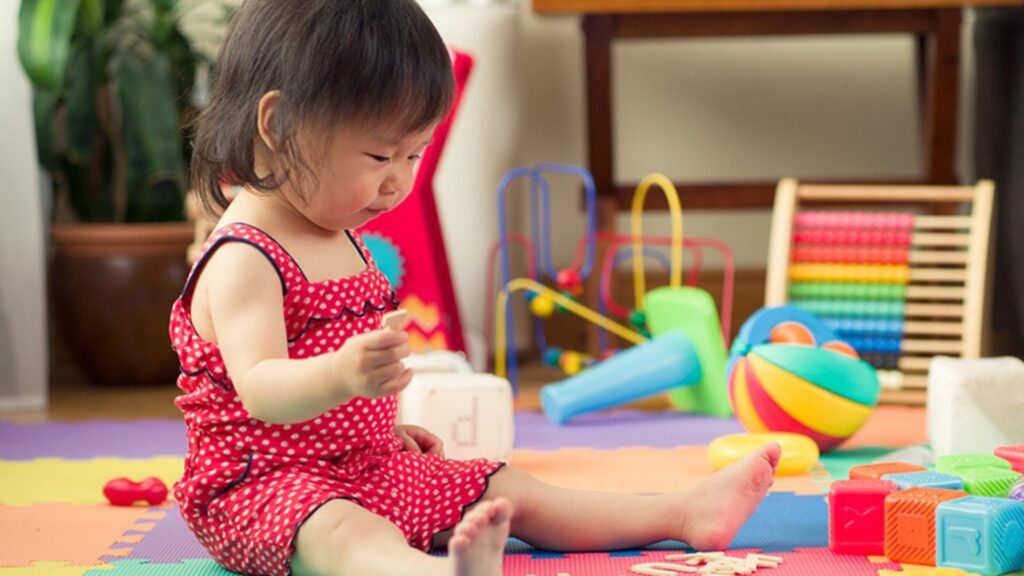
In the earliest years of life, children go through rapid brain development. During this time, they absorb information from their environment like sponges. While many parents assume that formal education begins in kindergarten or beyond, the reality is that babies learn naturally in preschools. These settings offer more than just childcare—they provide an ideal environment for babies to explore, grow, and build foundational skills for life.

Understanding Natural Learning in Early Childhood
Learning doesn’t start when a child picks up a pencil. It begins from birth. Babies are born with a natural curiosity that drives them to observe, mimic, and interact with the world around them. They learn by doing, experimenting, and receiving responses from adults and peers.
Preschools are designed to support this kind of organic learning. Through thoughtfully crafted environments, age-appropriate activities, and intentional interactions, these early education centers allow babies to thrive.
Why Babies Learn Naturally in Preschools
1. Play-Based Learning Mirrors Natural Behavior
Babies learn through play. Whether they’re stacking blocks, rolling a ball, or splashing in water, they’re not just entertaining themselves—they’re building essential cognitive, social, and physical skills. Preschools that use play-based curriculums align perfectly with how babies naturally explore their world.
-
Block play builds spatial awareness and problem-solving
-
Dramatic play enhances communication and imagination
-
Music and movement activities improve coordination and rhythm
Because babies learn naturally in preschools where play is prioritized, their learning feels seamless and enjoyable.
2. Language Development Happens Organically
Language acquisition begins long before a child speaks their first word. In a preschool setting, babies are surrounded by caregivers who constantly talk, sing, and read to them. These daily interactions help children:
-
Recognize sounds and words
-
Build early vocabulary
-
Develop listening skills
Unlike rigid learning environments, preschools encourage back-and-forth communication. When caregivers respond to a baby’s coo or gesture, they reinforce the child’s attempts to communicate. This is exactly how babies learn naturally in preschools—through continuous and meaningful interaction.
3. Social Learning Comes from Peer Interaction
Another powerful reason babies learn naturally in preschools is peer interaction. Even at a young age, children watch and imitate others. When babies see their peers crawling, sharing toys, or laughing, they absorb those behaviors and begin to mimic them.
In mixed-age preschool groups, younger children benefit from observing older toddlers. They learn turn-taking, empathy, and basic social rules just by being part of a group. These interactions prepare them for more structured social settings later in life.
The Role of Educators in Natural Learning
Preschool teachers do more than supervise. They create environments that nurture exploration while ensuring safety and structure. They understand how babies learn and use that knowledge to guide development without interrupting the child’s natural learning process.
Educators:
-
Observe children’s interests and expand on them
-
Introduce new words and concepts through play
-
Foster emotional development through empathy and support
These strategies are subtle but powerful. By meeting children where they are, educators ensure that babies learn naturally in preschools without pressure or forced outcomes.
Creating a Stimulating Environment
A preschool classroom is intentionally designed to spark curiosity. Each area of the room serves a purpose—from sensory tables and reading nooks to outdoor play spaces. Because babies learn through exploration, these varied environments offer endless opportunities to discover and engage.
Key elements that support natural learning include:
-
Open-ended toys that allow for creativity
-
Natural materials that stimulate the senses
-
Calm spaces for rest and reflection
-
Safe areas for gross motor development
Through these elements, babies learn naturally in preschools that are designed with development in mind.
Benefits That Last a Lifetime
Early experiences shape a child’s brain architecture. Children who attend quality preschools often enter kindergarten with stronger language, social, and cognitive skills. But more importantly, they carry with them a love of learning.
Because their earliest educational experiences felt safe, fun, and supportive, they associate learning with joy and confidence. This sets the stage for future academic success and emotional resilience.
Parents Play a Role Too
While preschools provide the environment, parents play a key role in reinforcing learning at home. When parents understand that babies learn naturally in preschools, they can align home routines with preschool practices.
Simple actions like talking during diaper changes, reading before bedtime, or encouraging independent play can reinforce what a child is experiencing in preschool.
Final Thoughts
The idea that babies are too young to benefit from preschool is outdated. In reality, babies learn naturally in preschools where the environment, caregivers, and peers all contribute to a rich learning experience. These early years are not just preparation for education—they are education.
Choosing a preschool that embraces natural learning means giving your child a strong, joyful start to life. And when children are allowed to learn in ways that come naturally to them, the results speak for themselves.