
Category: Preschools
-

Art in preschool encourages expression
Art in preschool encourages expression by giving children a creative outlet to communicate thoughts, feelings, and ideas. Through painting, drawing, sculpting, and crafting, young learners can explore emotions in a safe and supportive environment. Teachers provide guidance while allowing freedom for experimentation, enabling children to express themselves authentically. Engaging in art promotes confidence, imagination, and…
-

Preschool friendships teach empathy and sharing
Preschool friendships teach empathy and sharing by providing young children with opportunities to interact, cooperate, and understand others’ feelings. Early social connections allow children to navigate emotions, negotiate conflicts, and practice kindness. Teachers guide interactions through group activities, games, and role-playing exercises that encourage positive behavior. By experiencing friendships in a supportive environment, preschoolers develop…
-
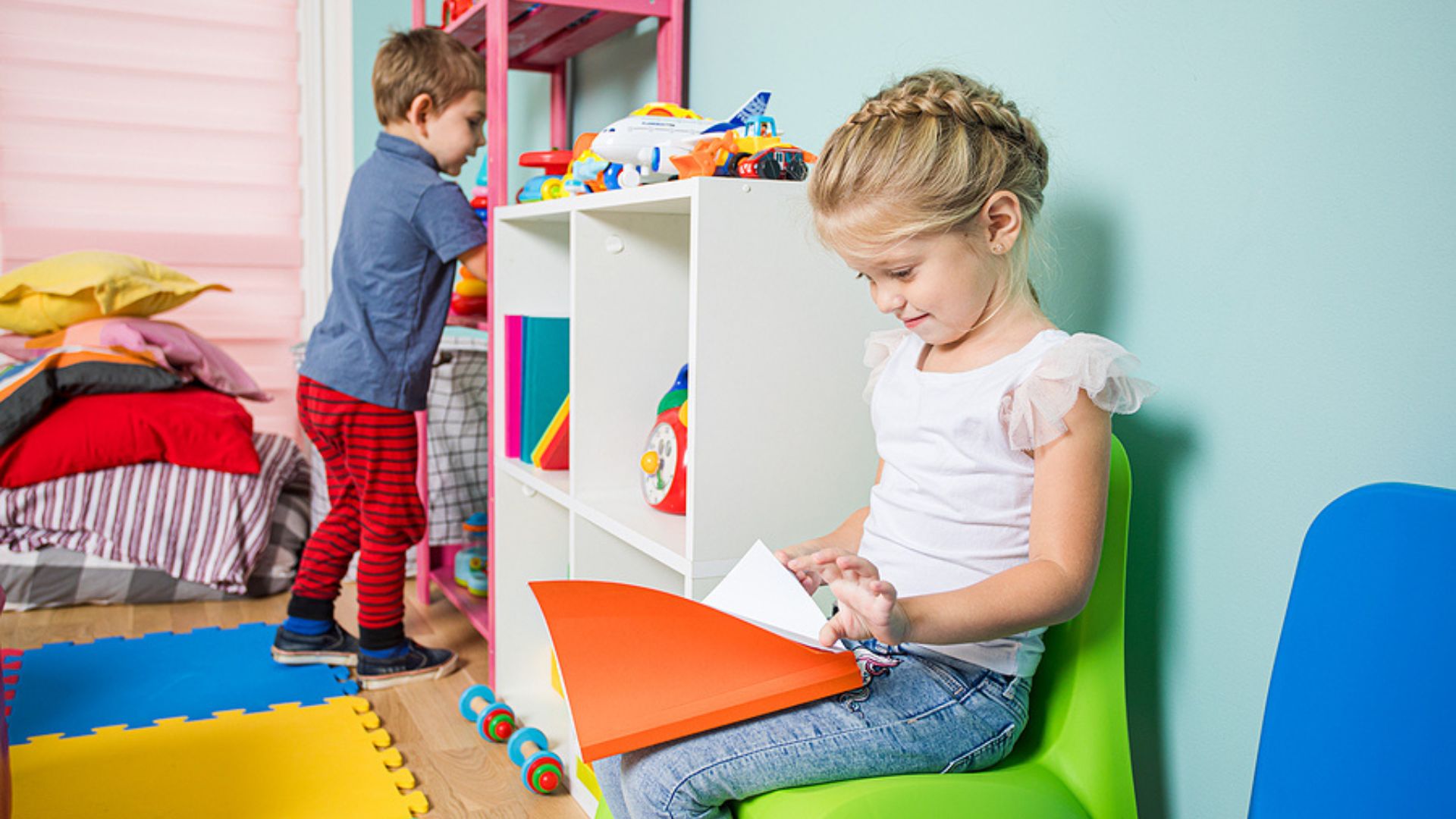
Preschools Create Fun Learning Spaces
The foundation of early childhood education lies in the environment where children spend their most formative years. A preschool’s atmosphere significantly impacts how children engage, learn, and develop. When preschools create fun learning spaces, they provide more than just a classroom—they build vibrant, dynamic environments where curiosity flourishes, creativity blooms, and social skills grow naturally.…
-

Preschools prepare kids for lifelong learning
Preschools prepare kids for lifelong learning by fostering curiosity, independence, and foundational skills that extend beyond the classroom. Early education provides structured activities, play-based learning, and guided exploration that develop critical thinking and problem-solving. Teachers introduce children to concepts in math, language, science, and art through interactive lessons. By nurturing a love for discovery and…
-
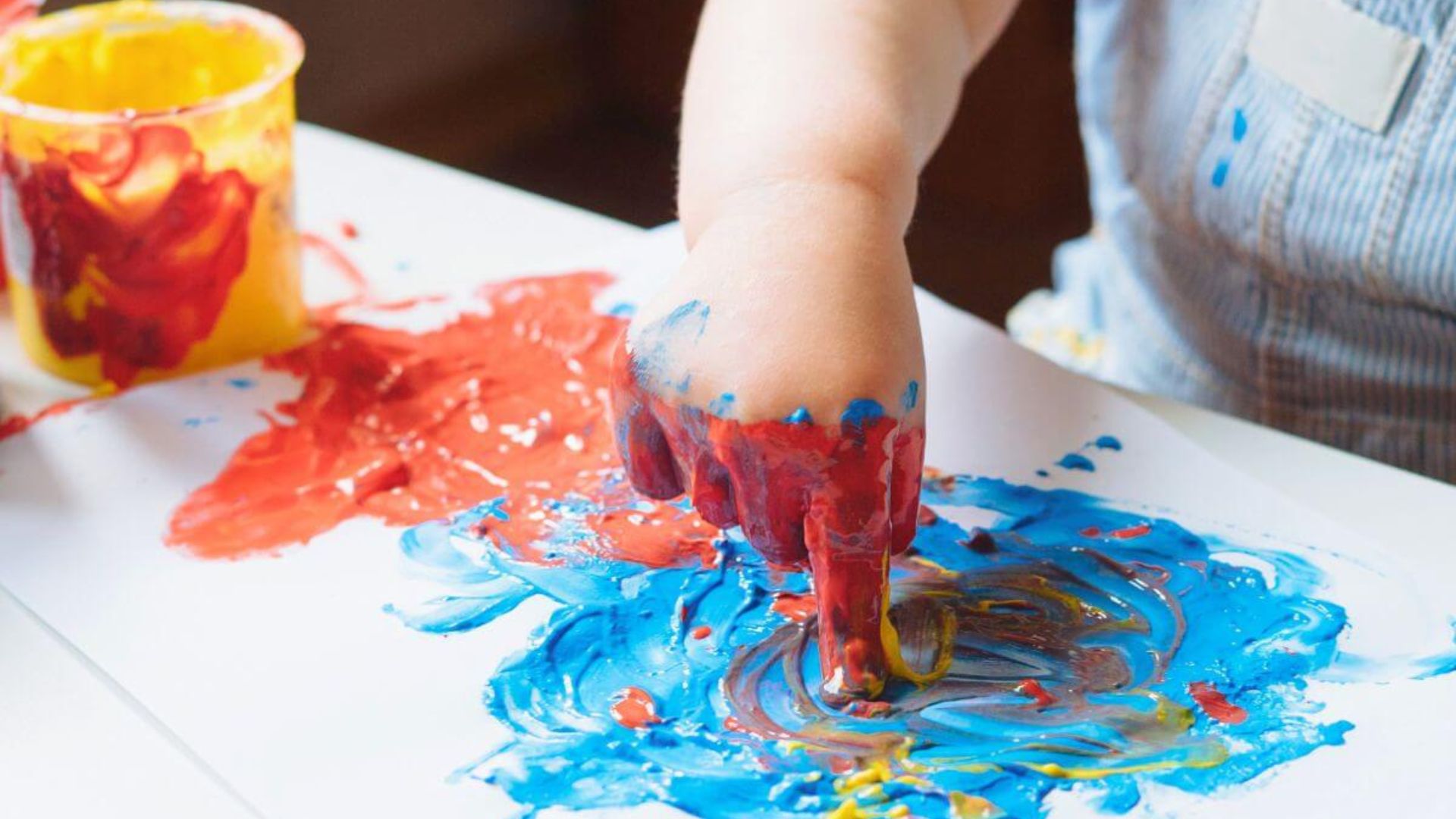
Sensory Play Supports Preschool Growth
In early childhood education, sensory play is recognized as a vital tool that fuels development across multiple domains. Preschoolers learn best when they engage their senses—touch, sight, hearing, smell, and sometimes taste—in active exploration. Through sensory play, children make meaningful connections, build essential skills, and develop a strong foundation for future learning. Simply put, sensory…
-

Creative learning makes preschool fun
Creative learning makes preschool fun by combining play, exploration, and hands-on activities that engage young minds. Children learn best when they are actively involved, curious, and motivated to discover. Teachers incorporate art, music, storytelling, and imaginative games to create an exciting and interactive environment. By encouraging experimentation and self-expression, preschoolers develop problem-solving skills, confidence, and…
-
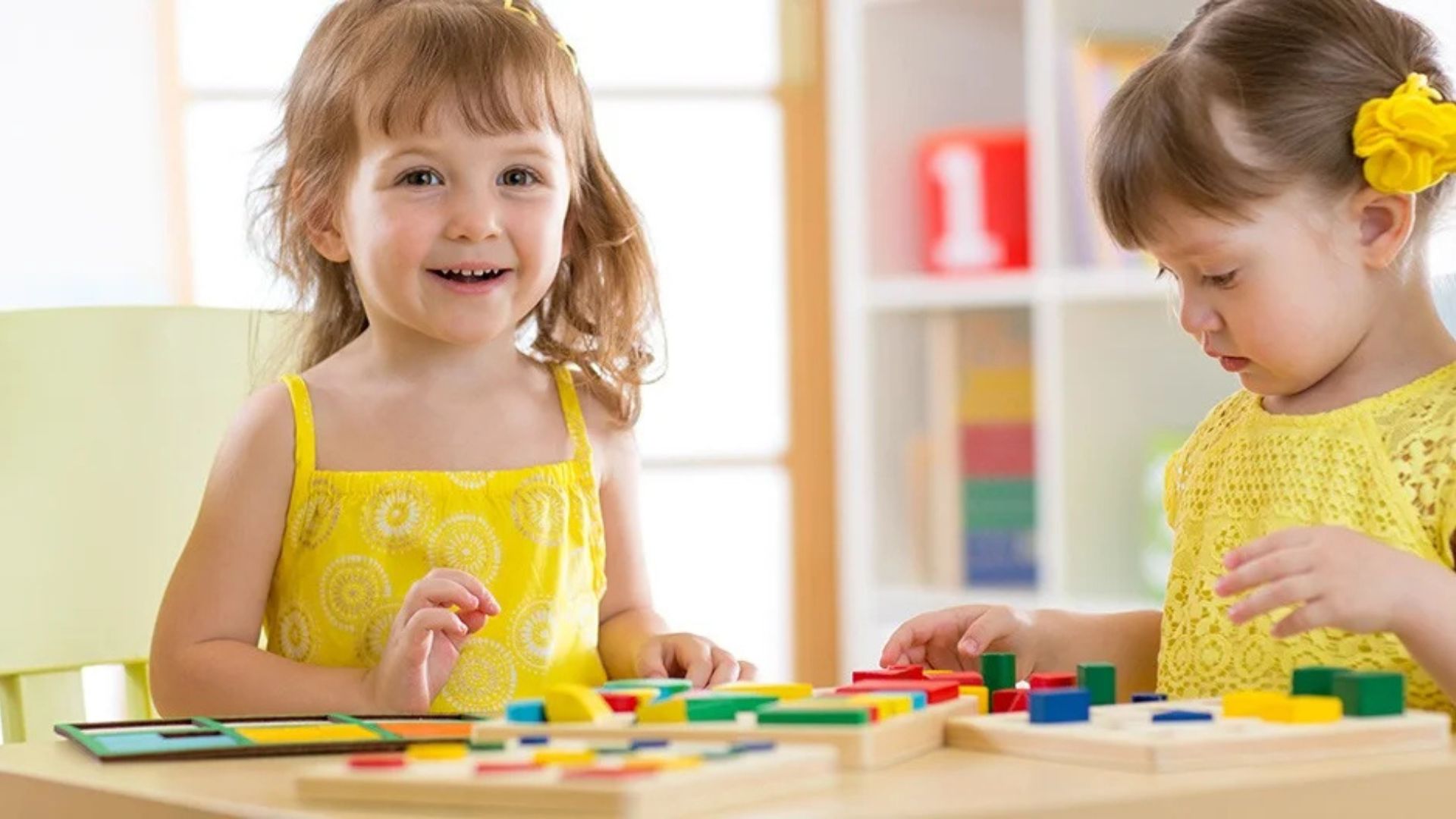
Preschools Shape Confident Little Learners
Confidence doesn’t appear overnight. It is nurtured, encouraged, and developed through consistent experiences of success, support, and discovery. The preschool years are a critical window for this growth, when children are forming their first ideas about themselves and the world around them. In this important stage, preschools shape confident little learners by creating environments where…
-
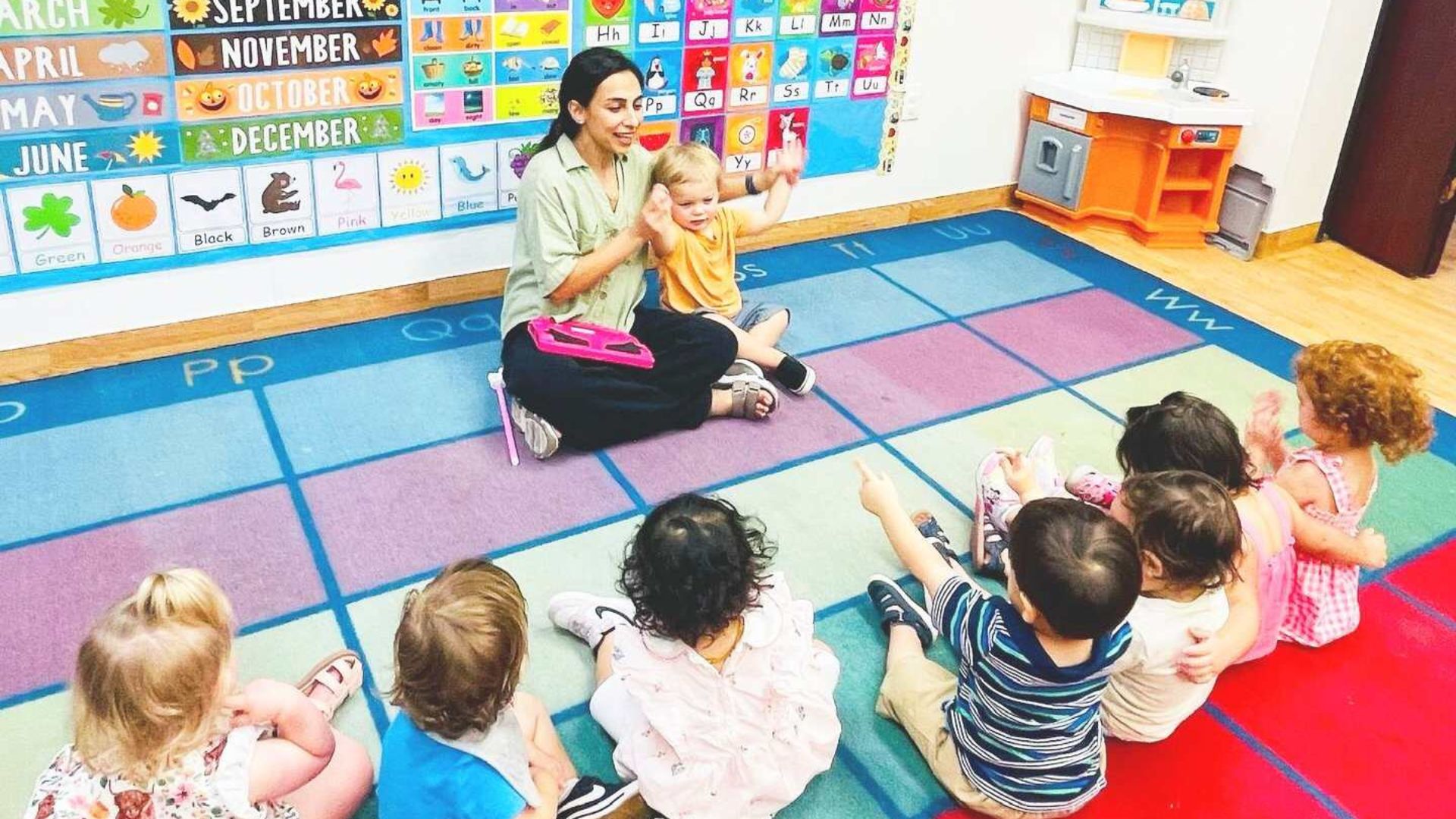
Preschools Provide Joyful Learning Environments
Early childhood is a time of wonder, exploration, and rapid development. During these formative years, the environment a child learns in can shape not only their academic foundation but also their emotional and social well-being. One of the most powerful truths in early education is that preschools provide joyful learning environments that nurture the whole…
-
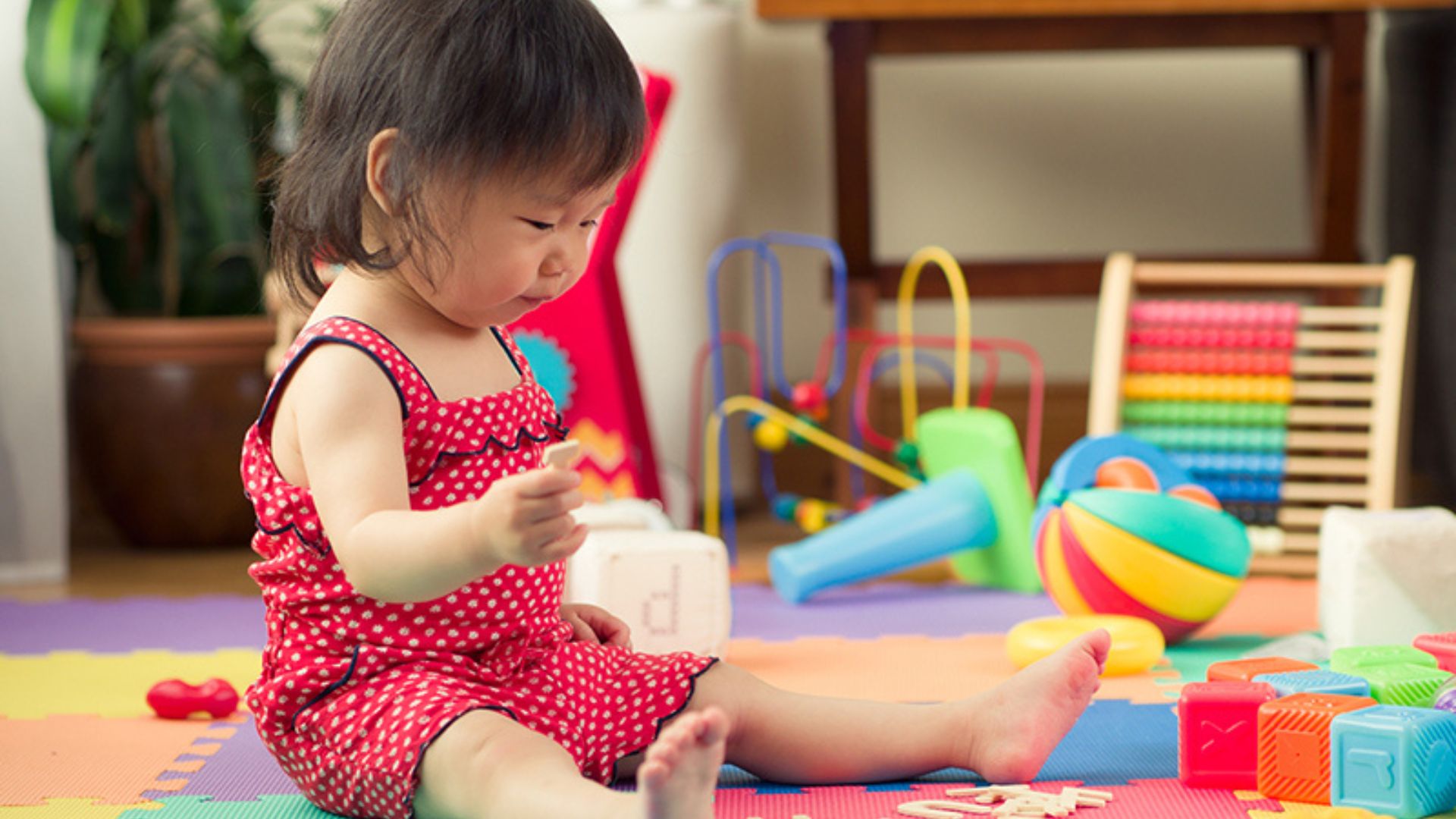
Babies Learn Naturally In Preschools
In the earliest years of life, children go through rapid brain development. During this time, they absorb information from their environment like sponges. While many parents assume that formal education begins in kindergarten or beyond, the reality is that babies learn naturally in preschools. These settings offer more than just childcare—they provide an ideal environment…
-
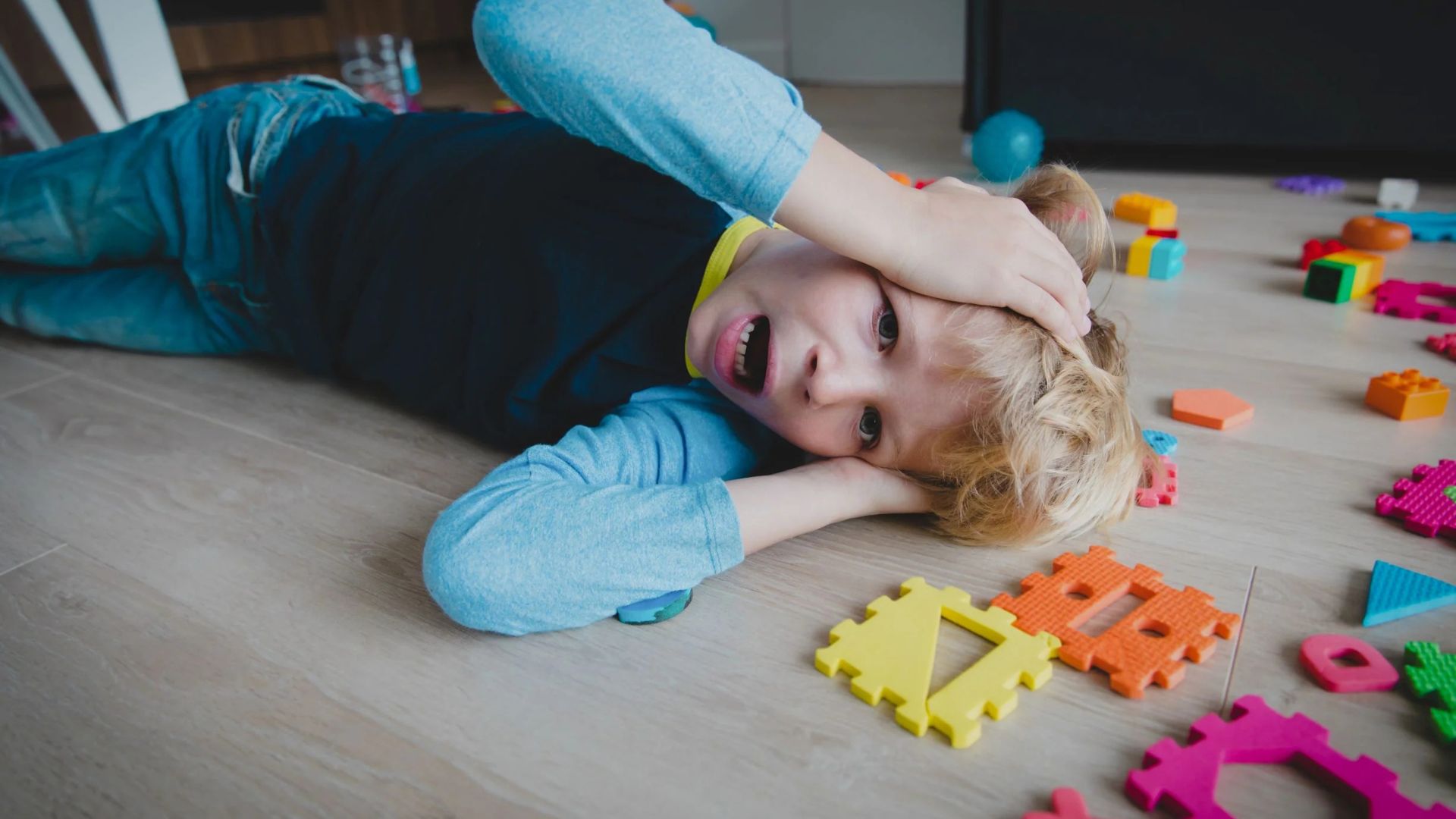
How Sensory Play Supports Emotional Regulation
Children often feel big emotions they can’t always explain or control. As they grow, they need tools to help them manage feelings like anger, fear, excitement, or sadness. One powerful way to support this emotional growth is through sensory play. Sensory play uses the five senses—touch, sight, sound, smell, and taste—to help children understand and…