

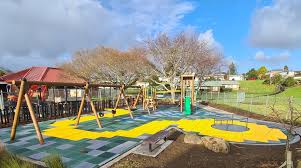
Colorful play spaces are highly effective in boosting children’s imagination and creativity. Bright and varied colors stimulate the brain, inspiring curiosity and exploration. Parents and preschool teachers can use vibrant walls, furniture, and materials to create engaging environments. When children are surrounded by colors, they feel energized and motivated to interact with their surroundings. Colorful play spaces invite experimentation, role-play, and creative thinking, fostering cognitive, emotional, and social development in young learners.
Enhancing Cognitive Development
Colors have a significant impact on cognitive development in children. Distinct shades and contrasts help toddlers recognize patterns, shapes, and sequences. Teachers can incorporate color-coded activities, such as sorting blocks or arranging art supplies, to strengthen problem-solving skills. Exposure to different colors also encourages observation and attention to detail. By engaging with colorful environments, children develop critical thinking and analytical skills while enjoying playful experiences that reinforce learning concepts.
Stimulating Creativity and Imagination
Bright, varied colors naturally spark creativity and imaginative play. Children invent stories, games, and scenarios inspired by their surroundings. Teachers can provide open-ended materials in multiple colors to encourage artistic expression and experimentation. Colorful play spaces allow children to mix, match, and combine materials freely, fostering cognitive flexibility and innovation. Imagination flourishes when children feel visually stimulated, motivated, and free to explore ideas in creative ways.
Supporting Emotional Well-Being
Colors also influence emotional development and mood in young learners. Warm colors like red, yellow, and orange can energize and inspire, while cool colors like blue and green can promote calmness and focus. Teachers and parents can create balanced spaces that support both active and reflective play. By engaging with colors intentionally, children learn to connect emotions with experiences. A visually stimulating environment helps toddlers regulate feelings and enhances overall well-being during learning and play.
Encouraging Social Interaction
Colorful play spaces can enhance social development by promoting collaborative activities. Group projects, art stations, and interactive games encourage children to communicate, share, and cooperate. Teachers can organize activities using color-coded materials to foster teamwork and turn-taking. When children play together in visually engaging spaces, they build social skills, empathy, and confidence. Collaborative experiences in colorful environments strengthen relationships while making learning and creativity enjoyable.
Integrating Learning Through Colors
Colors can be used to support educational concepts in preschool settings. Sorting by color, matching, and color-based games help toddlers learn early math, language, and cognitive skills. Teachers can introduce simple color-themed challenges or storytelling prompts to make learning interactive and fun. By linking colors to real-world concepts, children develop critical thinking, observation, and problem-solving abilities. Colorful play spaces offer endless opportunities to combine learning and imagination effectively.
Creating an Engaging and Safe Environment
Designing colorful play spaces requires attention to safety, accessibility, and age-appropriate materials. Teachers and parents should choose non-toxic paints, soft surfaces, and organized materials to create a secure environment. A well-thought-out space allows freedom for exploration while minimizing risks. Colorful, safe, and stimulating environments encourage children to engage actively, express creativity, and build confidence. When visual appeal is paired with safety, toddlers thrive physically, socially, and emotionally.
Conclusion: The Impact of Colorful Play Spaces
Colorful play spaces boost imagination and creativity while supporting cognitive, emotional, and social development. By surrounding children with vibrant, stimulating environments, parents and teachers inspire curiosity, experimentation, and problem-solving. Colorful spaces also encourage collaboration, emotional regulation, and active learning. Children who interact with visually engaging environments develop confidence, creativity, and a love for exploration. Ultimately, thoughtfully designed colorful play spaces provide the perfect setting for learning, growth, and imaginative play.