
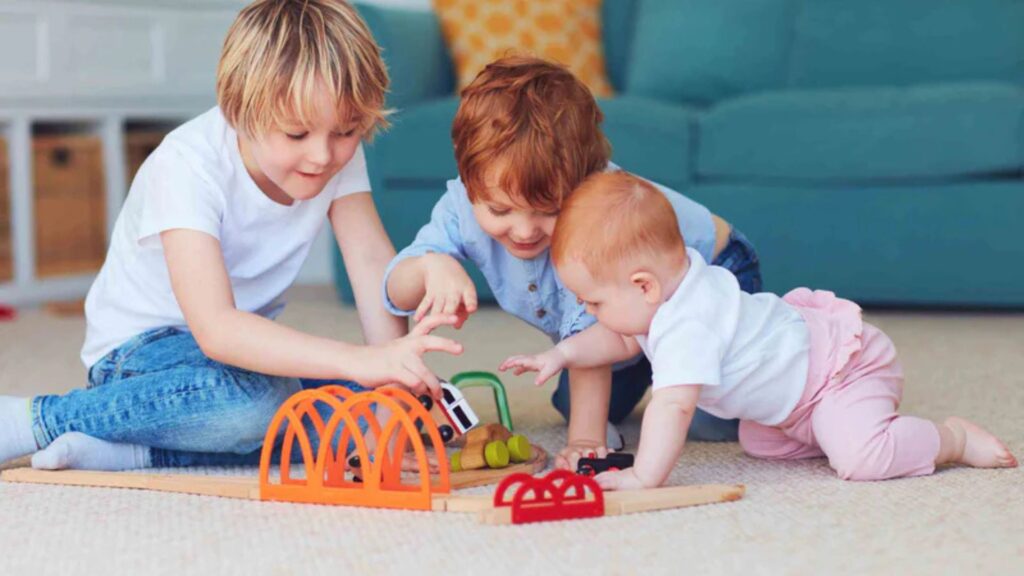
Early learning plays a vital role in a baby’s cognitive, motor, and emotional development. From the first months of life, babies absorb information from their surroundings. Engaging them with age-appropriate activities not only promotes growth but also strengthens the bond between parent and child.
In 2025, parents and caregivers will have access to a wide range of safe, educational, and stimulating activities designed specifically for babies. These activities focus on sensory exploration, problem-solving, and early communication.
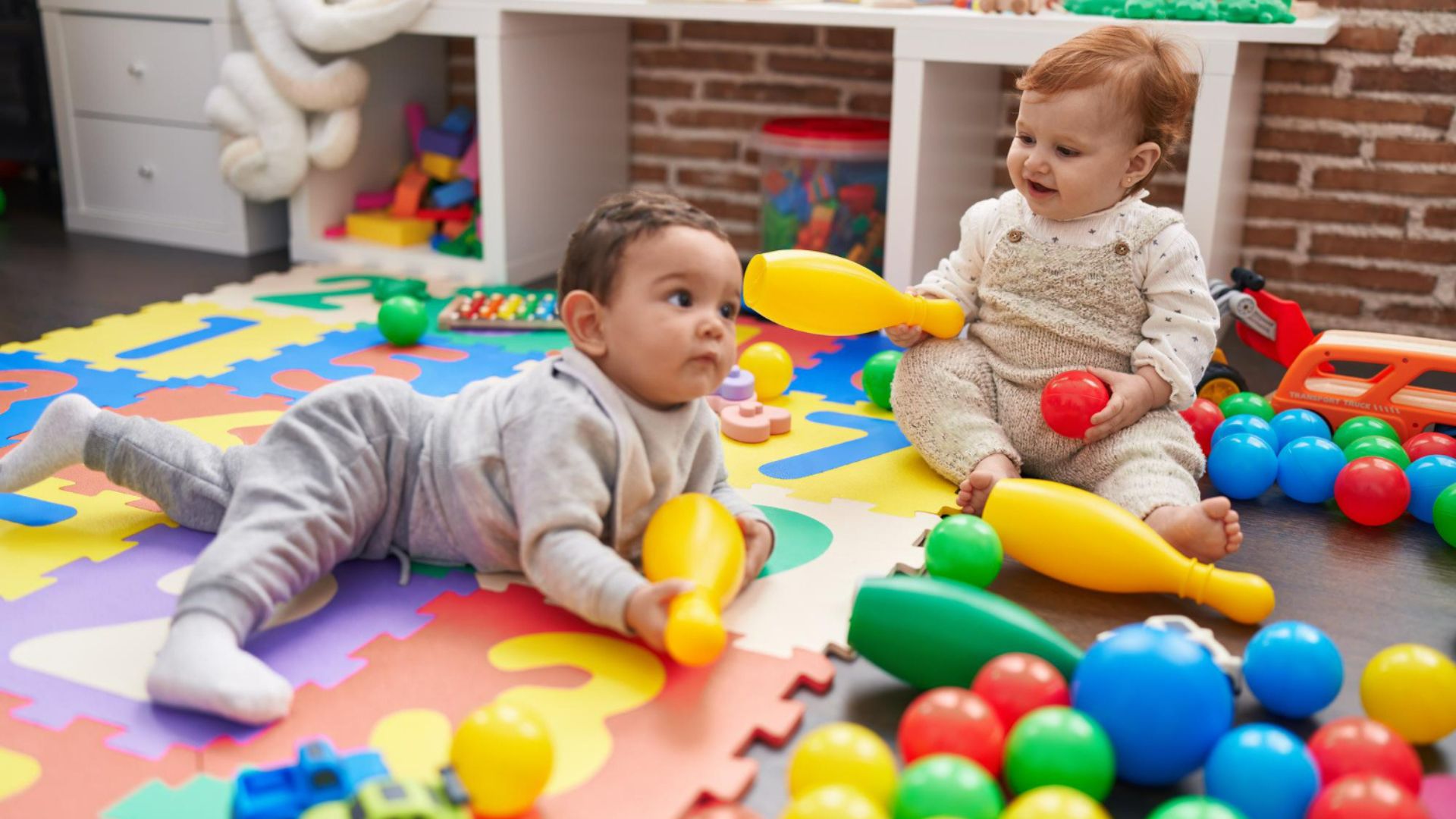
The Significance of Early Learning
The first year of life is a period of rapid brain development. Early learning activities help babies:
-
Develop motor skills and coordination.
-
Stimulate sensory perception through touch, sight, and sound.
-
Encourage social and emotional growth.
-
Build curiosity and problem-solving abilities.
Incorporating learning into everyday play fosters a strong foundation for future cognitive and emotional development.
Sensory Play Activities
Sensory play allows babies to explore the world around them using their senses. It enhances brain development and encourages curiosity.
-
Touch: Provide soft fabrics, textured toys, or baby-safe sensory mats.
-
Sight: Use colorful objects, high-contrast patterns, or gentle mobiles.
-
Sound: Introduce rattles, musical toys, or soothing bells.
-
Smell: Let babies experience safe, natural scents like lavender or citrus.
Sensory play encourages exploration, fine motor skills, and hand-eye coordination while keeping babies engaged.
Tummy Time and Motor Development
Tummy time is essential for strengthening neck, shoulder, and arm muscles. It also helps with motor development and prevents flat spots on the head.
-
Place your baby on a soft mat or blanket for several short sessions daily.
-
Encourage reaching and grasping by placing toys slightly out of reach.
-
Interact with your baby during tummy time to keep them motivated.
-
Gradually increase session length as your baby grows stronger.
Tummy time lays the groundwork for rolling, crawling, and eventually walking.
Language and Communication Activities
Early language exposure boosts brain development and helps babies learn to communicate.
-
Talk to your baby throughout the day, describing actions and surroundings.
-
Sing songs and lullabies to introduce rhythm and patterns.
-
Read simple picture books, pointing to objects and naming them.
-
Respond to coos and babbles to encourage vocal interaction.
These activities help babies develop listening skills, vocabulary, and social interaction from an early age.
Interactive Play
Through interactive play, social skills are taught, and the relationship between parent and child is strengthened.
-
Play peek-a-boo or hide-and-seek games.
-
Encourage gentle tickling or hand clapping.
-
Use soft puppets or toys for storytelling and role-play.
-
Allow babies to explore objects under supervision to foster curiosity.
Interactive play also helps babies understand cause and effect, boosting cognitive development.
Motor Skill Development
As babies grow, they need activities that encourage movement and coordination.
-
Offer stacking cups or soft blocks to practice grasping and building.
-
Provide push-and-pull toys for developing balance and strength.
-
Encourage crawling over safe, open spaces.
-
Introduce baby-safe balls for rolling and gentle kicking.
These activities help babies develop gross and fine motor skills, which are critical for future physical milestones.
Encourage Exploration and Problem-Solving
Allowing babies to explore in a safe environment encourages problem-solving and creativity.
-
Rotate toys to maintain interest and curiosity.
-
Use shape sorters or simple puzzles to stimulate cognitive thinking.
-
Provide safe household objects like wooden spoons or plastic bowls for supervised play.
-
Offer challenges gradually to build confidence and persistence.
Exploration nurtures independent thinking and encourages active engagement with the environment.
Establish a Routine
Incorporating learning activities into daily routines helps babies feel secure and supported.
-
Schedule short learning sessions throughout the day.
-
Combine playtime with feeding, diaper changes, or bath time.
-
Use consistent cues, such as songs or phrases, to signal activity time.
-
Balance structured activities with free play for optimal development.
Routine ensures that learning becomes a natural, enjoyable part of your baby’s day.
Conclusion
Early learning activities for babies lay the foundation for cognitive, motor, and emotional development. By incorporating sensory play, tummy time, language exposure, interactive games, and problem-solving activities, parents can support their baby’s growth while fostering a strong bond.
In 2025, focusing on safe, engaging, and age-appropriate learning experiences ensures babies develop essential skills for a bright, confident future. Encouraging exploration, communication, and play will set your baby on the path to lifelong learning and curiosity.