
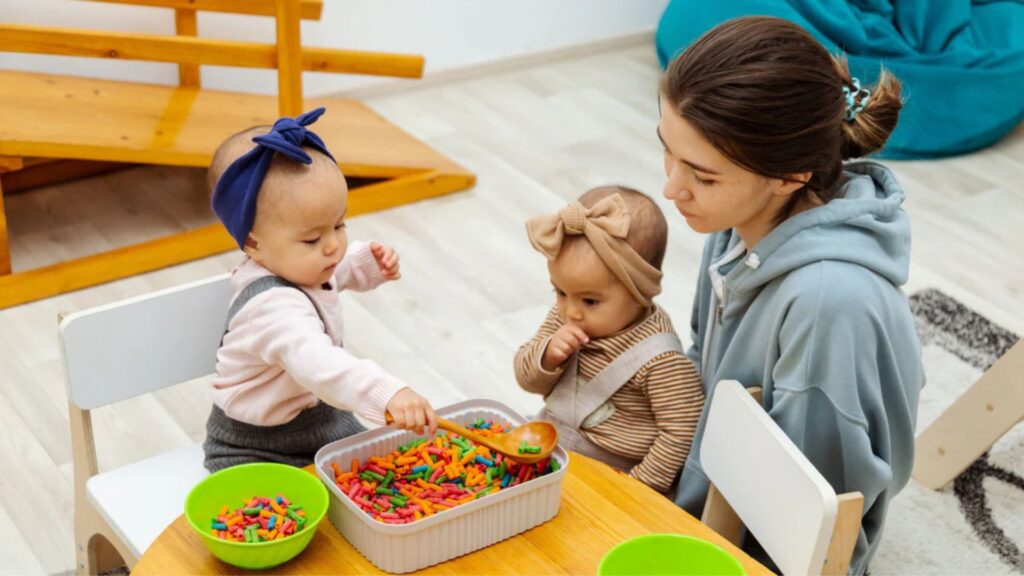
Toddlers are naturally curious. They learn best by doing—touching, tasting, seeing, smelling, and hearing the world around them. Sensory play taps into this developmental stage by offering experiences that activate and engage multiple senses at once. More than just fun and messy activities, engaging toddlers through sensory play is a powerful way to support early learning, build brain connections, and encourage exploration in a playful, stress-free way.
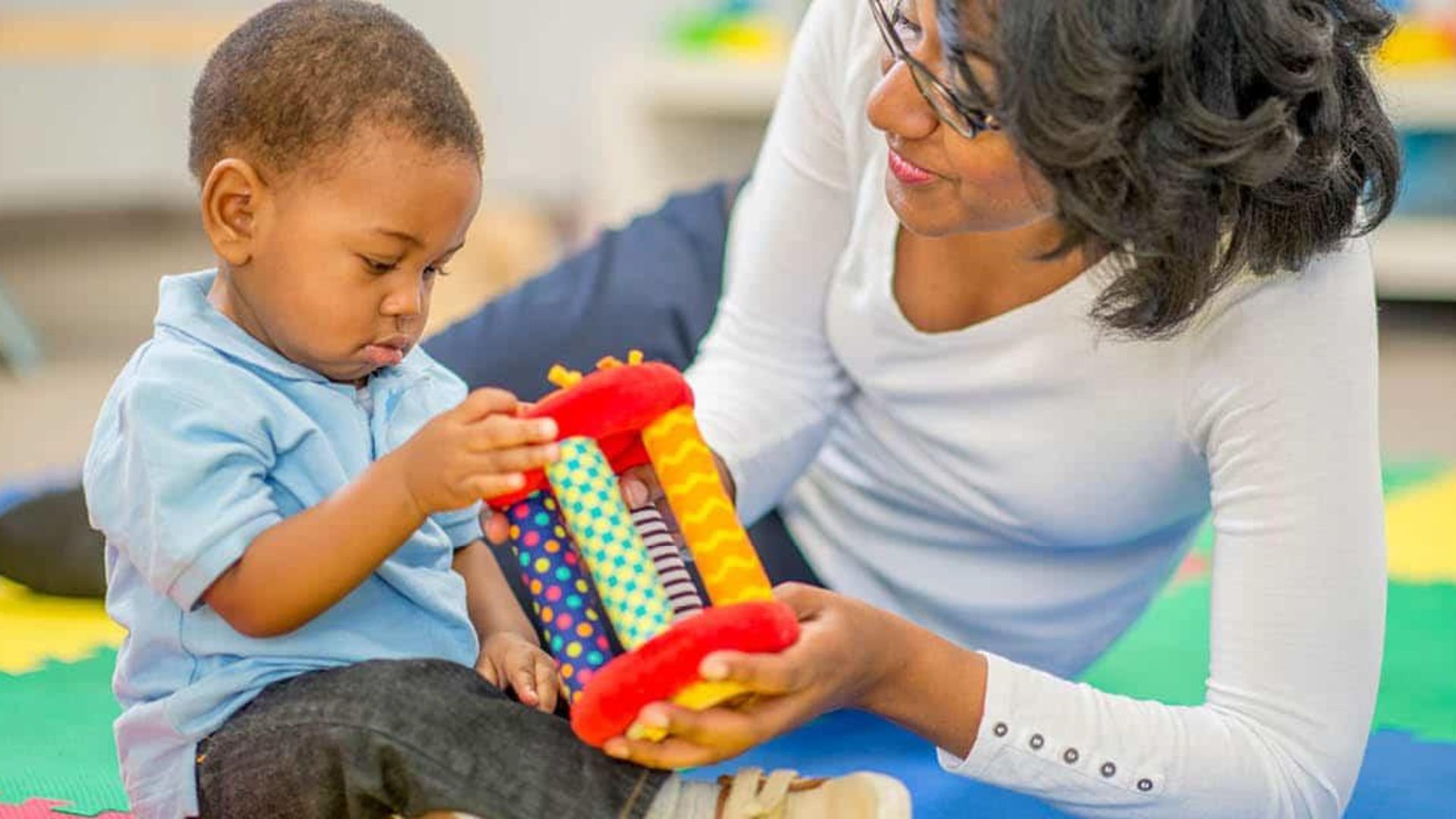
What Is Sensory Play?
Sensory play includes any activity that stimulates one or more of a child’s senses. These activities are often open-ended, hands-on, and allow toddlers to interact with different textures, sounds, temperatures, movements, and materials.
Common Sensory Play Materials:
-
Water and ice
-
Sand, soil, or mud
-
Rice, beans, pasta
-
Playdough or clay
-
Finger paint or foam
-
Bubbles and scented oils
-
Musical instruments and sound makers
Because engaging toddlers through sensory play activates the brain’s sensory processing systems, these activities help children make sense of the world around them while developing cognitive, emotional, and physical skills.
Why Sensory Play Is Important for Toddlers
Between ages 1 and 3, toddlers are learning at an accelerated rate. Sensory play provides a safe and stimulating way for them to explore cause and effect, understand new concepts, and build essential skills.
Key Benefits of Sensory Play:
-
Language development: Toddlers learn new words as they describe textures, colors, and actions
-
Cognitive growth: Activities like sorting, scooping, or pouring develop problem-solving and memory
-
Fine motor skills: Manipulating small objects strengthens hands and fingers for future writing
-
Emotional regulation: Sensory play can be calming and helps toddlers learn to manage their feelings
-
Creativity and imagination: Open-ended play fosters self-expression and creative thinking
By offering daily opportunities to engage the senses, engaging toddlers through sensory play supports a well-rounded approach to early childhood development.
Sensory Play Encourages Independence and Confidence
Sensory activities give toddlers control over their actions. Whether they choose to squish playdough, splash in water, or fill containers with rice, they’re making choices, testing outcomes, and learning through experience. This independence is key for building confidence.
How Sensory Play Promotes Independence:
-
Encourages trial and error without pressure
-
Builds decision-making and self-direction
-
Allows toddlers to work at their own pace
-
Offers opportunities to play solo or with others
As toddlers succeed in mastering new skills, their confidence grows. This is a major reason why engaging toddlers through sensory play helps lay the foundation for future learning.
Sensory Play Builds Social and Communication Skills
While many sensory activities are great for solo play, they also offer chances for toddlers to interact with peers. Sharing a sensory bin, playing with musical instruments, or painting together helps toddlers begin to learn social rules like turn-taking, cooperation, and verbal interaction.
Social Skills Gained Through Sensory Play:
-
Learning to share space and materials
-
Expressing preferences or needs verbally
-
Observing and mimicking peer behavior
-
Practicing empathy and group awareness
These early social lessons are learned naturally through play, which is why engaging toddlers through sensory play can be so effective in group learning environments like preschools or playgroups.
Creating Easy Sensory Activities at Home
You don’t need expensive supplies or a classroom to try sensory play. Many engaging activities can be created using everyday items from your kitchen or backyard. The key is to focus on safe, supervised experiences that allow toddlers to touch, smell, hear, and move.
Simple Sensory Play Ideas:
-
Water play: Fill a tub with water and add cups, spoons, or floating toys
-
Dry sensory bins: Use rice, oats, or pasta with scoops and containers
-
Nature trays: Collect leaves, sticks, pinecones, and rocks for outdoor exploration
-
Edible finger paint: Mix yogurt with natural food coloring for a safe, messy art experience
-
Sound exploration: Create homemade shakers or drums from household items
These simple activities show how engaging toddlers through sensory play doesn’t have to be complicated. With a little creativity, any environment can become a sensory-rich space.
Tips for Successful Sensory Play
To make the most of sensory activities, it’s important to create a safe and supportive environment where toddlers can explore freely.
Best Practices:
-
Always supervise, especially with small or messy materials
-
Choose age-appropriate textures and tools
-
Offer a variety of materials over time to maintain interest
-
Let the child lead—avoid interrupting their play unless necessary
-
Keep cleanup supplies nearby and involve toddlers in the process
When planned thoughtfully, engaging toddlers through sensory play becomes a fun and meaningful part of the daily routine, both at home and in preschool settings.
Sensory Play in Preschool Classrooms
Many early childhood centers use sensory play as a core part of their curriculum. Sensory tables, art corners, water areas, and outdoor gardens are common features in classrooms designed for toddler exploration. Teachers guide children gently, observe their interests, and introduce new materials based on developmental goals.
Benefits in the Classroom:
-
Promotes group learning and interaction
-
Supports developmental milestones
-
Offers calming, focused activities during transitions
-
Gives teachers insight into each child’s learning style
That’s why early education professionals understand that engaging toddlers through sensory play isn’t just a fun distraction—it’s essential for building school readiness and life skills.
Final Thoughts
Sensory play is more than just hands-on fun—it’s an essential part of toddler development. By offering meaningful opportunities to explore, create, and discover through their senses, we help toddlers build the confidence, curiosity, and skills they need to thrive.
Whether at home, in the park, or in a preschool classroom, engaging toddlers through sensory play lays the foundation for joyful learning and whole-child growth. It’s a simple yet powerful way to support toddlers in becoming capable, confident little learners.