
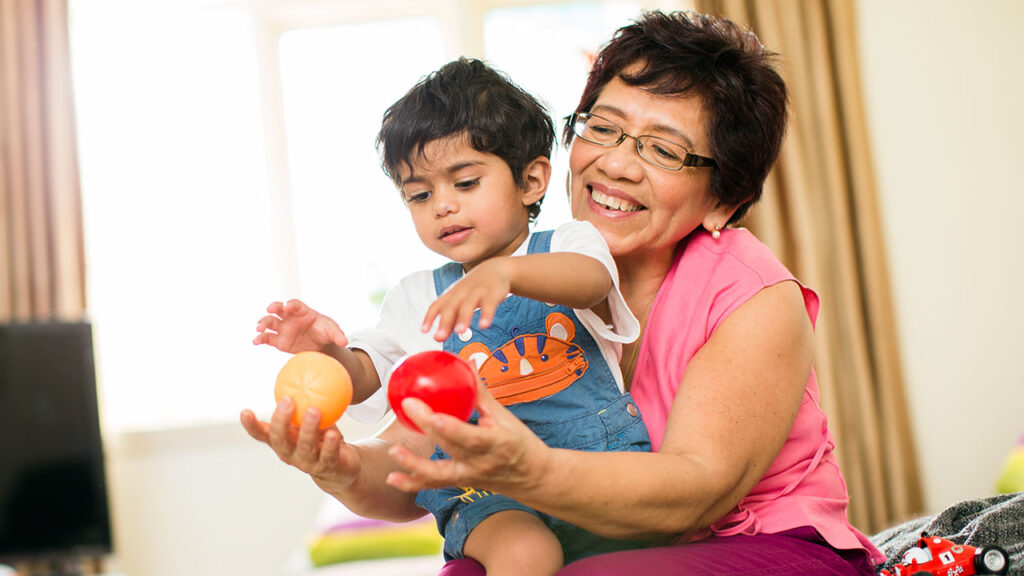
Toddlerhood is a magical time when little ones begin to understand language and start expressing themselves with words. Encouraging toddler speech isn’t about pushing for perfect pronunciation or early talking—it’s about creating the right environment, using the right tools, and offering lots of love and patience. Every child develops at their own pace, but with consistent support, you can help nurture strong communication skills that lay the foundation for lifelong learning.
Here are practical and engaging ways to encourage toddler speech naturally and effectively.
Talk Throughout the Day
One of the best ways to support speech development is by simply talking to your toddler often. Describe what you’re doing, seeing, or thinking out loud. Your toddler may not respond with words right away, but they’re listening, learning, and absorbing everything you say.
Examples:
- “I’m pouring your milk into the cup.”
- “Look at that big red truck driving by!”
- “We’re putting on your shoes—first the left foot, now the right.”
Hearing language consistently helps toddlers build vocabulary and understand sentence structure.
Listen and Respond with Interest
Even if your toddler uses gestures, babbles, or partial words, always respond with enthusiasm. Show that communication is valuable and fun.
Tips:
- Make eye contact and smile when your toddler speaks or points.
- Repeat and expand what they say. If your child says “dog,” you might say, “Yes, that’s a big brown dog!”
- Avoid correcting mistakes harshly; instead, model the correct word gently in your response.
This kind of feedback encourages more attempts and builds confidence.
Read Together Daily
Reading is one of the most powerful tools for language development. Choose age-appropriate books with colorful pictures and simple words. Repetition, rhyme, and rhythm in books help toddlers predict and remember language.
Reading tips:
- Read the same favorite books again and again.
- Point to pictures and name what you see.
- Ask questions like “What’s this?” or “Where’s the cat?”
- Let your toddler turn the pages and participate, even if it’s just babbling along.
Books expose toddlers to new words and ideas in a fun, cozy setting.
Sing Songs and Say Rhymes
Songs, fingerplays, and nursery rhymes are great for language learning because they combine rhythm, repetition, and movement. Toddlers love singing and dancing along, and they tend to remember songs better than spoken words alone.
Popular songs for speech development:
- “The Wheels on the Bus”
- “Old MacDonald Had a Farm”
- “If You’re Happy and You Know It”
Use hand motions to make the songs more engaging and interactive.
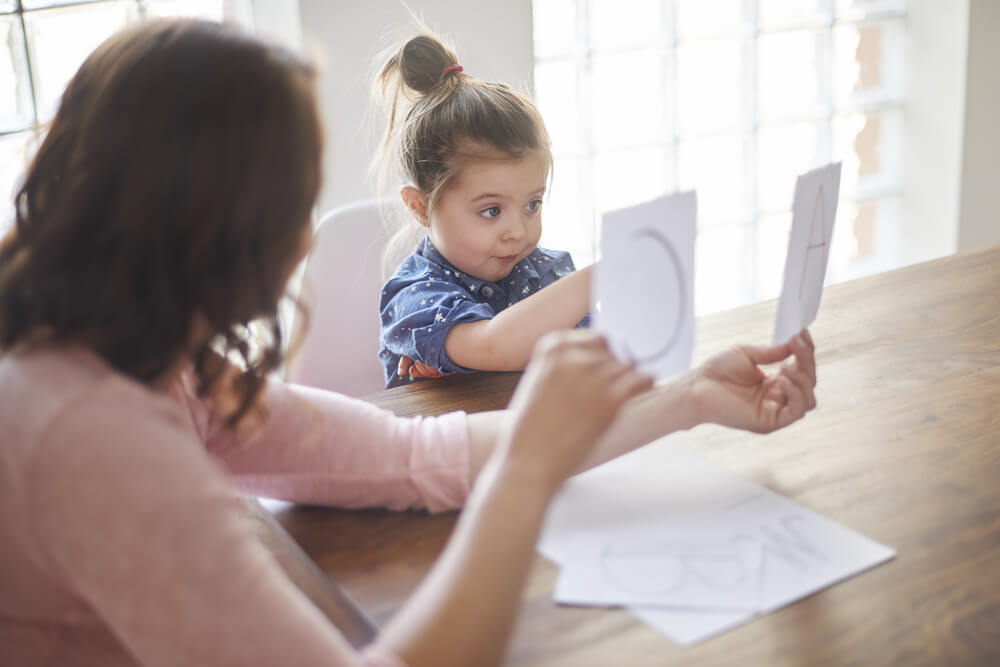
Use Everyday Play to Teach Words
Toddlers learn best through play, especially when it involves interaction and conversation. You can turn simple play activities into learning opportunities by naming objects, describing actions, and giving your toddler choices.
Play-based speech activities:
- Pretend play with dolls or stuffed animals: “The bear is eating. Yum, yum!”
- Building with blocks: “Let’s make a tall tower. Oh no, it fell down!”
- Outdoor play: “You’re running fast! Let’s jump over the puddle.”
The more natural and fun the interaction, the more your toddler will engage and try using words.
Ask Questions and Offer Choices
Give your toddler reasons to talk by asking simple questions and providing choices instead of doing everything for them.
Examples:
- “Do you want milk or juice?”
- “Should we read the truck book or the animal book?”
- “Where is your teddy? Can you find it?”
Even if they answer with a gesture or single word, they’re practicing communication and learning new vocabulary.
Limit Screen Time
While some educational programs and videos may teach basic words, they can’t replace real human interaction. Face-to-face communication is far more effective for learning how to speak.
What to do instead:
- Choose interactive play and storytelling over passive screen time.
- Use video chats with loved ones for social connection if needed.
- Focus on hands-on experiences and real-world conversations.
Be Patient and Celebrate Effort
Speech development happens in stages. Some toddlers are early talkers, while others take their time. What matters most is providing a loving, language-rich environment that encourages expression.
Encouragement matters:
- Praise your child’s effort, even if their words aren’t clear.
- Avoid pressuring them to repeat or say things perfectly.
- Celebrate each new word or sound with excitement and positive attention.
Final Thoughts
Encouraging toddler speech is all about connection, not perfection. The more you talk, listen, read, sing, and play with your child, the more confident and capable they’ll become. Every word spoken, every shared laugh, and every story read helps build a strong foundation for communication. With love, patience, and everyday interaction, your toddler’s voice will grow louder and more expressive with time.