

Pretend play is a vital part of preschool learning. It allows children to use their imagination, explore different roles, and make sense of the world around them. Through pretending, children develop important skills like language, social interaction, creativity, and problem-solving. This article explains why pretend play matters in preschool and how it supports overall development.
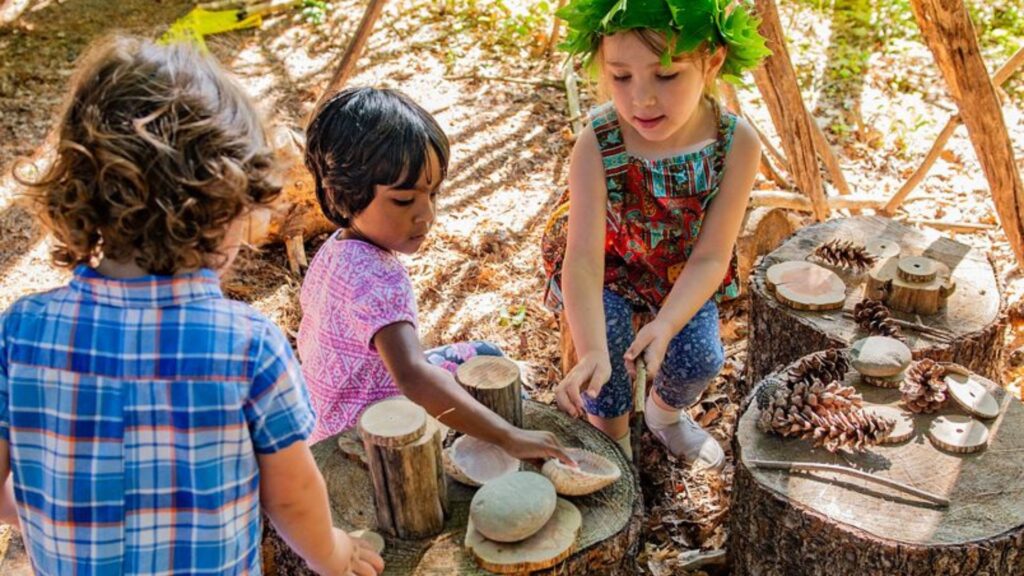
Why Pretend Play Matters
Pretend play, also called imaginative or dramatic play, is more than just make-believe. It’s a natural way for children to process experiences, practice new skills, and express emotions. Here’s why it is essential:
-
Language Development: When children create stories and dialogues during pretend play, they practice new vocabulary, sentence structure, and conversation skills. For example, playing “doctor” encourages the use of medical terms and question phrases.
-
Social Skills: Pretend play often involves taking turns, sharing ideas, negotiating roles, and resolving conflicts. These interactions teach cooperation, empathy, and understanding of others’ perspectives.
-
Creative Thinking: Imaginative play challenges children to think flexibly, invent scenarios, and explore different outcomes. They learn to move beyond literal thinking and embrace possibilities.
-
Problem-Solving: Pretend scenarios frequently include obstacles or challenges. Children work out solutions independently or with friends, which builds critical thinking and resilience.
-
Emotional Growth: Acting out feelings helps children recognize their emotions and practice self-regulation. For example, pretending to be upset or angry in a safe play environment allows them to explore these emotions constructively.
Types of Pretend Play in Preschool
Pretend play takes many forms. Understanding these types can help educators plan diverse play experiences:
-
Role Play: Children imitate adults or characters such as parents, teachers, firefighters, or chefs. This helps them understand social roles and responsibilities.
-
Fantasy Play: Children create imaginary worlds involving superheroes, animals, or magical creatures. Fantasy play encourages boundless creativity and symbolic thinking.
-
Storytelling and Puppet Play: Using puppets or acting out stories enhances narrative skills and helps children sequence events logically.
-
Social Pretend Play: Group play focused on social themes, like playing “school” or “restaurant,” promotes teamwork and communication.
Setting Up Pretend Play Areas
To foster pretend play, preschool environments should include spaces and materials that invite imagination:
-
Provide Realistic Props: Items like dress-up clothes, kitchen utensils, phones, cash registers, and doctor kits encourage children to step into roles authentically.
-
Offer Open-Ended Materials: Blankets, scarves, cardboard boxes, and loose parts allow children to invent their own play scenarios without limits.
-
Design Themed Zones: Create dedicated areas such as a grocery store, veterinary clinic, or space station. Change themes regularly to keep play fresh and stimulating.
-
Ensure Accessibility: Store materials on low shelves or baskets so children can independently choose and return items, fostering autonomy.
How Adults Can Support Pretend Play
Adults play a key role in encouraging and extending pretend play without taking over. They can:
-
Observe: Watch children’s play to understand their interests and developmental level.
-
Join In: Enter play scenarios when invited, using questions to deepen thinking, such as “What happens next?”
-
Provide Materials: Offer new props or ideas based on children’s themes to keep play fresh and challenging.
-
Encourage Cooperation: Help children share roles and solve conflicts during group play.
-
Celebrate Creativity: Praise inventive ideas and problem-solving to boost confidence.
Benefits of Pretend Play in Preschool Learning
-
Strengthens language and communication skills
-
Enhances social and emotional development
-
Boosts creativity and imagination
-
Develops cognitive flexibility and problem-solving
-
Builds self-regulation and emotional understanding
Conclusion
Pretend play is a powerful tool for preschool learning. It engages children’s minds, hearts, and bodies while developing skills essential for school and life. By creating supportive play spaces and encouraging imaginative play, educators help children grow into confident, creative, and socially skilled learners.