

Sensory play is one of the best ways infants learn about the world around them. For babies under 1 year, sensory experiences help their brains develop and grow in amazing ways. These activities stimulate their senses—touch, sight, sound, taste, and smell—while helping build important motor, cognitive, and emotional skills. When done safely, sensory play supports babies’ learning and makes playtime fun for both babies and parents.
This article covers everything you need to know about safe sensory play for infants, including what it is, why it matters, safety tips, and plenty of activity ideas you can try at home.
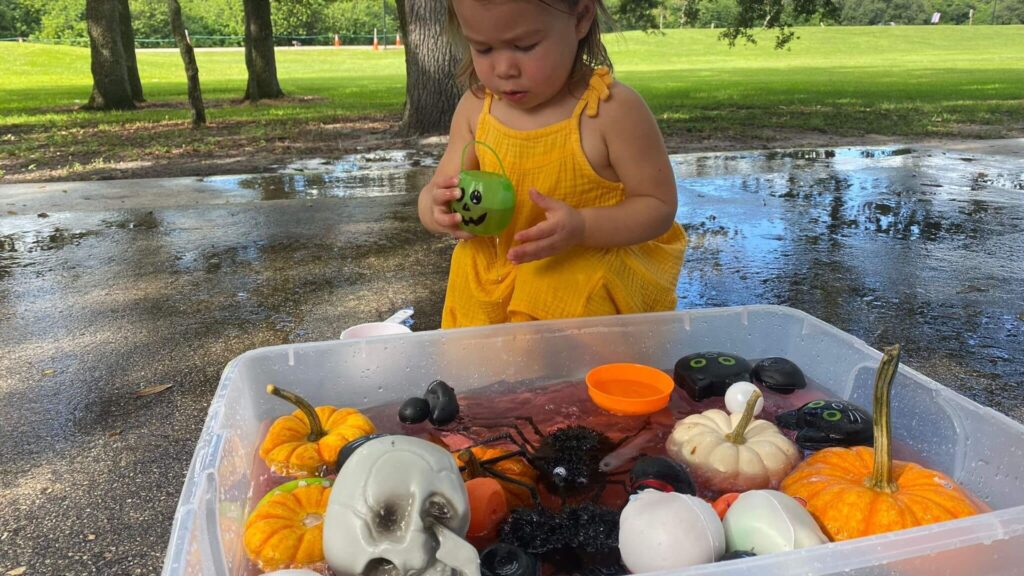
What is Sensory Play?
Sensory play means giving babies opportunities to explore using their senses. This includes feeling different textures, seeing bright colors or moving objects, hearing new sounds, tasting safe foods, and smelling different scents. Babies naturally learn by experiencing the world this way, and sensory play is designed to encourage that exploration in a safe and supportive environment.
Why Is Sensory Play Important for Infants?
From birth to one year, babies’ brains grow rapidly. Sensory play helps by:
-
Building Brain Connections: Every new experience creates links in the brain that help babies learn and remember.
-
Developing Motor Skills: Touching, grabbing, and moving objects strengthens muscles and coordination.
-
Improving Language Skills: Babies learn words and sounds by interacting with people and objects.
-
Encouraging Curiosity: Sensory play sparks a natural desire to explore and learn more.
-
Supporting Emotional Development: Safe, comforting play builds trust and positive relationships with caregivers.
Safety Is Key in Sensory Play
When planning sensory play for babies under 1 year, safety is the most important consideration. Babies explore with their mouths, so it’s crucial to avoid hazards and keep play clean.
Key Safety Tips:
-
Use Non-Toxic Materials: Only use items that are safe if mouthed or chewed. Avoid anything with harmful chemicals or dyes.
-
Avoid Small Parts: Keep toys larger than a baby’s fist to prevent choking.
-
Supervise Closely: Never leave babies unattended during sensory play.
-
Check for Allergies: Introduce new materials slowly and watch for signs of allergic reactions like rash or irritation.
-
Keep It Clean: Regularly wash toys and materials to prevent germs and infections.
-
Create a Safe Space: Use soft mats or rugs and remove sharp or dangerous objects.
Sensory Play Ideas for Infants Under 1 Year
Here are safe and simple sensory play activities to try, based on what infants love to explore at different ages:
1. Tummy Time with Textured Mats
Place your baby on a tummy time mat with different textures such as soft fleece, bumpy rubber, or crinkly fabric. This helps strengthen neck and shoulder muscles while encouraging tactile exploration.
2. Water Play
Fill a shallow tray with a small amount of water and add safe toys like plastic cups or floating ducks. Splashing water teaches cause and effect and stimulates the sense of touch. Always supervise closely during water play.
3. Soft Fabric Exploration
Offer different pieces of fabric like silk scarves, cotton squares, or fleece scraps. Let babies touch and feel the various textures. Fabric play can also include gentle waving or brushing motions to soothe and comfort.
4. Sensory Bottles
Create clear bottles filled with safe materials like water mixed with glitter, beads, or food coloring. Babies love to watch the colors and shapes move inside. This helps develop visual tracking and focus.
5. Sound Play
Introduce gentle rattles, bells, or musical toys that produce soft sounds. Encourage babies to shake or tap them to hear different noises, building auditory skills and cause-and-effect understanding.
6. Safe Edible Sensory Play
Make homemade, edible play dough from baby-friendly ingredients like yogurt and cornstarch. This lets babies explore textures safely with their mouths and hands.
7. Nature Exploration
Introduce natural textures like large leaves, smooth stones, or pinecones. Always supervise closely to prevent choking, and avoid anything small or sharp.
How to Set Up a Safe Sensory Play Area
Create a calm, organized space dedicated to sensory play. Use a soft blanket or foam mat on the floor. Keep toys within easy reach but organized in bins or baskets. Limit the number of toys available to avoid overwhelming your baby. Rotate items regularly to keep their interest fresh. Make sure the area is free of sharp edges, cords, or small objects.
Tips for Enjoyable Sensory Play
-
Follow Your Baby’s Lead: Watch their reactions and adjust activities based on their interest and mood.
-
Engage Together: Join in play, talk about what your baby is feeling, hearing, or seeing. This strengthens your bond and supports language learning.
-
Be Patient: Sensory play is about exploration and discovery, not perfection or results.
-
Maintain Hygiene: Clean toys and materials after each use, especially those that go in the mouth.
Benefits of Safe Sensory Play
Safe sensory play supports a baby’s overall development by:
-
Enhancing brain growth and neural connections
-
Improving fine and gross motor skills
-
Fostering curiosity and confidence
-
Supporting emotional security and bonding with caregivers
-
Encouraging early communication and social interaction
Conclusion
Safe sensory play is a wonderful, natural way to help infants under 1 year explore, learn, and grow. By choosing baby-safe materials and creating a supportive play environment, parents and caregivers can provide rich sensory experiences that boost development. Try these simple ideas to encourage your baby’s senses, build skills, and create joyful moments together.