
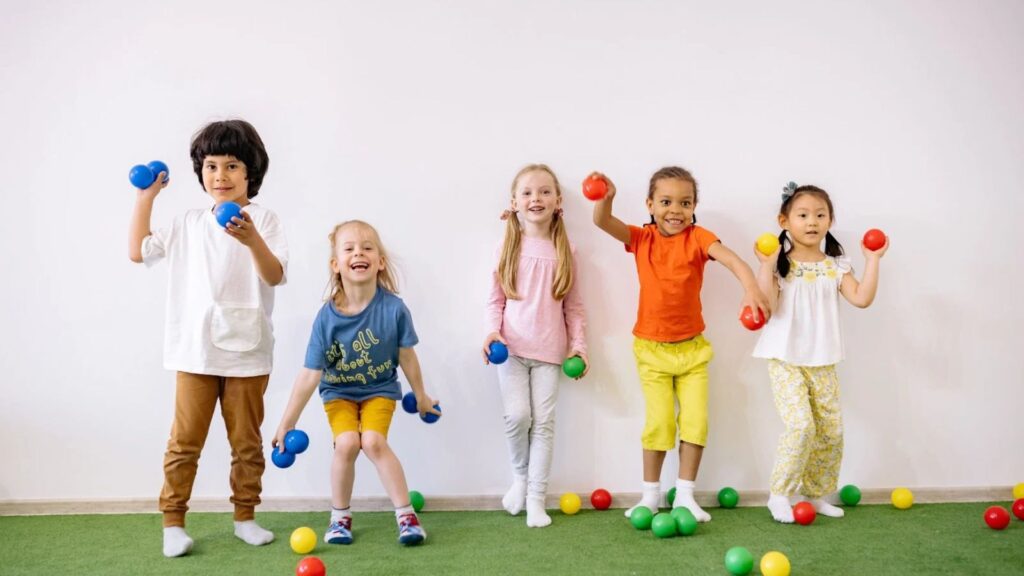
Toddlers are naturally curious. They explore the world with their hands, eyes, ears, and even their mouths. That’s why sensory play enhances toddler development in ways that go far beyond simple entertainment. These hands-on experiences fuel growth in brain function, motor skills, communication, and emotional regulation. In fact, sensory play is one of the most effective tools for supporting a toddler’s overall development.
What Is Sensory Play?
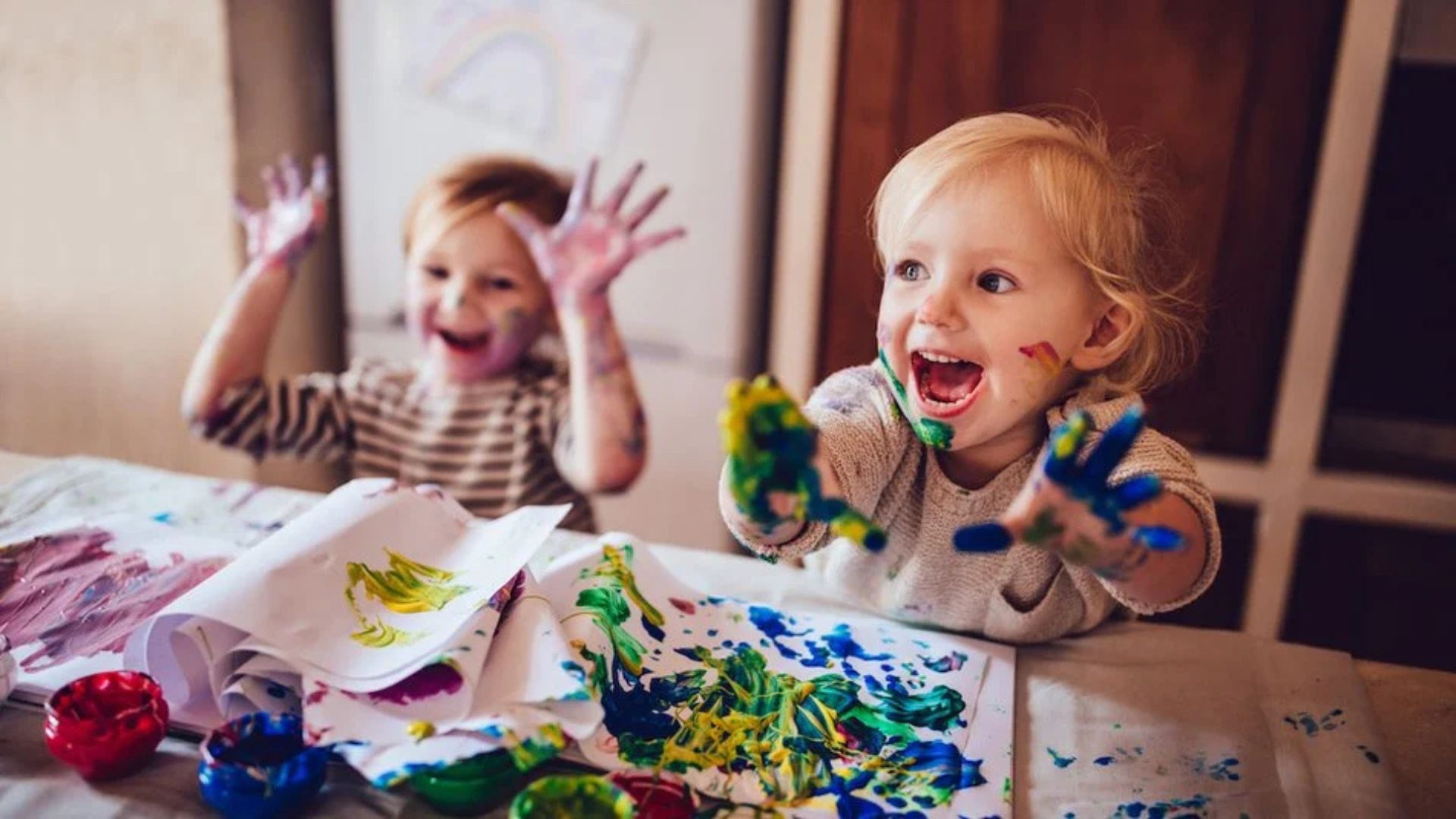
Sensory play is any activity that stimulates a child’s senses—touch, sight, sound, smell, and taste—as well as their sense of balance and body awareness. For toddlers, this can include squishing playdough, splashing in water, playing with sand, or dancing to music. Because sensory play is open-ended and self-directed, toddlers learn through natural exploration and trial and error.
How Sensory Play Enhances Toddler Development
1. Boosts Brain Growth
When toddlers explore textures, temperatures, and movement, their brains create new neural pathways. These connections help them understand cause and effect, spatial relationships, and patterns. The more sensory input toddlers receive, the stronger and more efficient their brain development becomes.
2. Improves Fine and Gross Motor Skills
Sensory play often involves pinching, pouring, squeezing, or jumping. These activities build fine motor skills for tasks like holding utensils, drawing, and dressing. Gross motor skills also benefit from active movement, such as climbing or walking on uneven surfaces.
3. Supports Language Development
Toddlers learn language best through experiences. Sensory play gives them the chance to hear new words like “squishy,” “sticky,” or “rough.” Describing textures, actions, and feelings during play builds vocabulary and encourages expressive language.
4. Encourages Emotional Regulation
Many sensory activities are naturally calming. Feeling soft textures or listening to soothing sounds helps toddlers relax and focus. Sensory play also helps toddlers express emotions, such as excitement or frustration, safely and constructively.
5. Develops Social Skills
Group sensory play encourages sharing, cooperation, and turn-taking. When toddlers interact with others during water play or building projects, they learn empathy and communication through shared experiences.
Sensory Play Activities That Promote Growth
Since sensory play enhances toddler development, including it in everyday routines is easy and effective. You don’t need fancy tools—just simple materials and safe supervision.
Here are a few development-boosting sensory play ideas:
-
Water play: Use buckets, cups, or spoons to scoop, pour, and splash.
-
Playdough fun: Rolling, pressing, and cutting help build hand strength.
-
Sensory bins: Fill containers with rice, beans, or sand and hide small toys inside.
-
Bubble wrap stomping: Great for sensory feedback and gross motor movement.
-
Ice cube painting: Mix colors into ice and let toddlers create chilly art.
-
Nature walks: Collect leaves, rocks, and sticks to explore different textures.
-
Music and dance: Use instruments or rhythm games to develop auditory processing.
How to Set Up a Sensory-Friendly Environment
A well-prepared sensory space makes all the difference. Choose a quiet area free from distractions. Use soft lighting and child-safe materials. Keep sensory tools within reach so toddlers can explore independently. Rotate materials weekly to keep things interesting and challenge different senses.
Also, include items that appeal to various sensory needs—like fidget toys, textured mats, or calming visuals.
Tips for Supporting Toddlers During Sensory Play
-
Let them lead: Follow your toddler’s interest and don’t rush their process.
-
Talk through play: Describe what they’re doing to build language and focus.
-
Watch for reactions: Some toddlers may be sensitive to certain textures or sounds. Respect their limits and adjust accordingly.
-
Keep it safe: Always supervise sensory activities, especially those involving water or small objects.
Final Thoughts
Sensory play is more than just fun—it’s a critical part of healthy toddler development. Through simple activities that engage their senses, toddlers build the foundation for cognitive growth, emotional stability, social interaction, and physical coordination. Whether it’s digging in a sandbox or dancing to a song, every moment of sensory play supports their journey toward becoming confident, capable learners. That’s why sensory play enhances toddler development and should be part of every young child’s daily routine.