
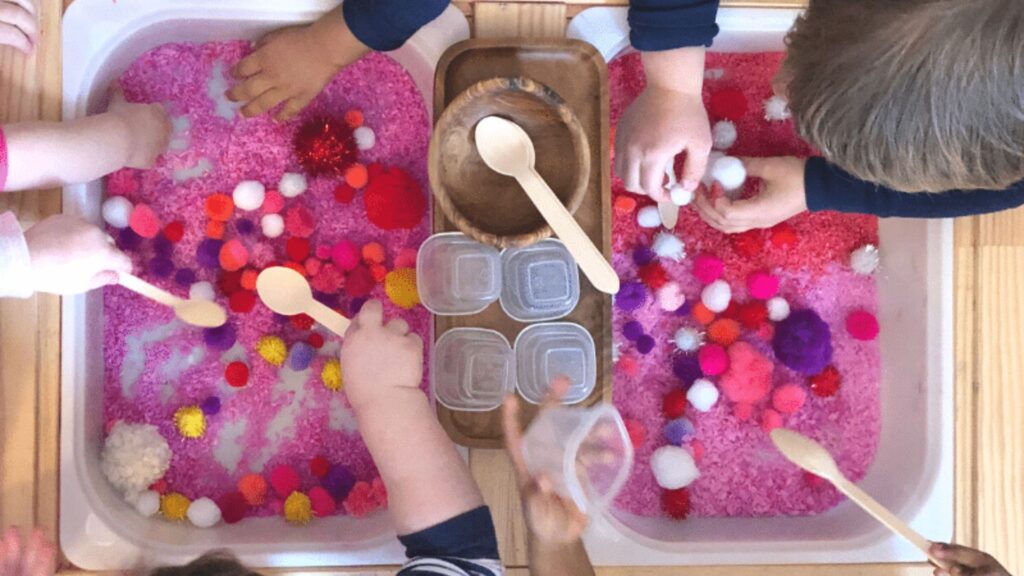
Toddlers are naturally curious and love to explore the world with their senses. That’s why sensory play ideas for toddlers are essential for their early development. Sensory play doesn’t just keep little ones busy—it supports brain growth, language skills, motor coordination, and even emotional regulation. Whether it’s squishing, scooping, pouring, or smelling, sensory play invites toddlers to learn through hands-on experience.
In this guide, you’ll discover a wide variety of sensory play ideas that are safe, easy to set up, and incredibly beneficial for your child’s growth.
What Is Sensory Play?
Sensory play is any activity that stimulates a child’s senses—touch, smell, taste, sight, and hearing. It also includes activities that engage movement and balance. For toddlers, sensory play is a natural way to learn about the world. It builds nerve connections in the brain and encourages exploration and problem-solving.
When introduced consistently, sensory play ideas for toddlers promote calmness, focus, and joy.
Benefits of Sensory Play
Before jumping into specific activities, it’s helpful to understand why sensory play matters. Here are some of the key benefits:
-
Boosts brain development by strengthening neural pathways
-
Enhances fine and gross motor skills through hands-on manipulation
-
Improves language skills as toddlers describe textures, colors, and actions
-
Fosters social interaction during shared sensory activities
-
Supports emotional regulation by offering calming and focused experiences
With just a few household materials, you can introduce sensory-rich experiences every day.
Easy Sensory Play Ideas for Toddlers
Let’s explore some engaging and age-appropriate sensory activities that are toddler-tested and parent-approved.
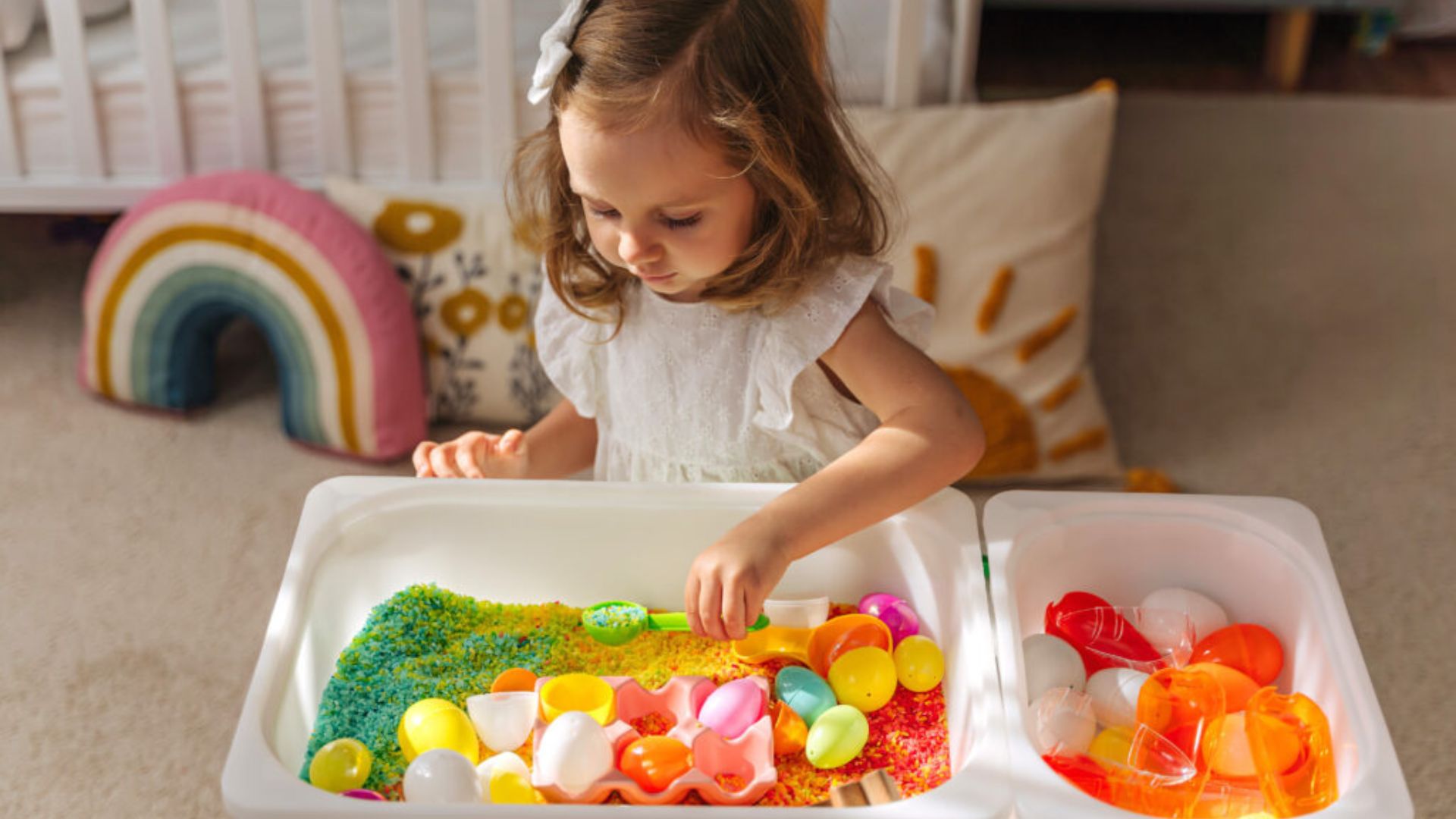
1. Rainbow Rice Bin
What you need:
-
Uncooked rice
-
Food coloring
-
Ziplock bags
-
A plastic bin
-
Scoops, spoons, and small containers
How to make it:
Dye the rice using a few drops of food coloring and let it dry. Then pour it into a bin and let your toddler scoop, pour, and dig through the colors.
Why it works:
This classic activity stimulates touch, sight, and sound while developing fine motor skills.
2. Water Play Station
What you need:
-
A shallow basin or tub
-
Measuring cups, spoons, and plastic toys
-
Optional: food coloring or bubbles
Activity ideas:
Let your toddler pour, splash, and transfer water between containers. Add bubbles for extra fun or ice cubes for temperature exploration.
Developmental benefits:
Water play teaches cause and effect, supports muscle control, and soothes overstimulated toddlers.
3. Edible Finger Paint
What you need:
-
Yogurt or pudding
-
Natural food coloring
-
A large tray or paper
How to use it:
Color the yogurt and let your toddler paint with their fingers. It’s completely safe if they decide to taste it!
Why it’s great:
Combines sensory exploration with creative expression—and no worries about ingestion.
4. Nature Sensory Walk
What you need:
-
Access to a safe outdoor space
-
Barefoot-friendly surfaces
-
Collection basket for leaves, rocks, or flowers
What to do:
Take a nature walk and encourage your toddler to touch different textures: grass, bark, petals, dirt. Let them collect natural items to explore later.
Skills developed:
Gross motor coordination, vocabulary building, and awareness of the natural world.
5. DIY Sensory Bottles
What you need:
-
Empty plastic bottles
-
Water, oil, glitter, beads, or small toys
-
Hot glue (to seal the lids)
How to make them:
Fill bottles with various combinations—water and glitter, oil and beads, colored water with buttons—and let your toddler shake and watch the magic.
Why toddlers love it:
They’re visually stimulating and offer quiet, calming moments—perfect for winding down.
Tips for Safe and Effective Sensory Play
To get the most out of sensory play ideas for toddlers, keep these safety and setup tips in mind:
Supervise at All Times
Toddlers love to explore with their mouths. Always supervise sensory play, especially with small objects or messy materials.
Keep It Age-Appropriate
Choose materials that are safe and non-toxic. For younger toddlers, edible or taste-safe options are best.
Involve Your Toddler in Cleanup
Make cleanup part of the activity. It teaches responsibility and extends the play into a routine.
Limit Overstimulation
Sensory play is fun, but it can also be overwhelming. Start with short sessions (10–15 minutes) and increase as your toddler becomes more engaged.
Rotate Activities
Keep things fresh by rotating bins, textures, or materials weekly. This keeps toddlers curious and mentally stimulated.
Why Sensory Play Supports Lifelong Learning
Engaging your child in sensory play from an early age sets the stage for more complex learning in the future. As toddlers explore textures, temperatures, and movements, they form important connections between their body and mind. It also teaches focus, patience, and resilience—skills that extend far beyond playtime.
Ultimately, sensory play ideas for toddlers are more than just fun—they’re foundational tools for learning and development. You don’t need fancy toys or expensive setups; just a little creativity and a willingness to get messy.
Final Thoughts
Sensory play doesn’t have to be complicated to be effective. With everyday materials and a bit of imagination, you can create enriching activities that support your toddler’s development in meaningful ways. From water bins to edible paints, these hands-on experiences help children grow confident, curious, and capable.
Start small, follow your child’s lead, and remember—the best play happens when you explore together. With consistent, engaging activities, sensory play ideas for toddlers will quickly become a joyful part of your daily routine.