

Keeping toddlers entertained indoors can be a delightful challenge, especially when you want to balance fun with meaningful learning. The top toddler activities indoors offer opportunities for creativity, movement, sensory exploration, and cognitive development without needing a lot of space or special equipment. Whether it’s a rainy day or just some quiet time at home, these activities will keep your toddler happily engaged while supporting key skills.
Creative Art and Craft Time
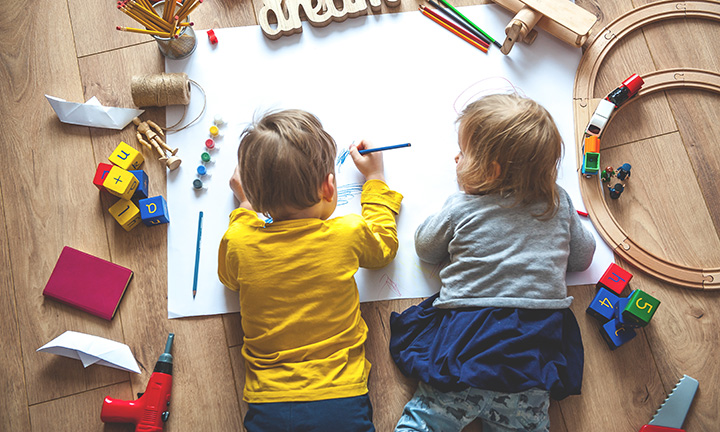
Indoor art projects are perfect for fostering creativity and fine motor skills. Simple supplies like crayons, paper, stickers, and safe glue open endless possibilities for self-expression.
Ideas include:
- Coloring or scribbling with chunky crayons
- Making simple collages using paper scraps and stickers
- Finger painting on washable mats or paper
- Creating shapes and designs with play dough
Encourage your toddler to explore colors and textures while chatting about what they’re making.
Sensory Bins for Hands-On Exploration
Sensory bins offer rich tactile experiences that help toddlers develop focus and motor skills. You can fill containers with safe materials like rice, dry pasta, or water beads, adding small toys or scoops.
How to set up:
- Choose a shallow container and fill it with one sensory material.
- Add cups, spoons, or small toys for digging and sorting.
- Change materials regularly to keep interest high.
Sensory bins stimulate curiosity and encourage descriptive language as toddlers explore different textures.
Indoor Obstacle Course
Create a safe and simple obstacle course to encourage movement, balance, and coordination inside the house.
How to build:
- Use pillows to jump over or crawl under.
- Place tape on the floor for “balance beams.”
- Use chairs and blankets to make tunnels.
- Include tasks like hopping or spinning in place.
This activity promotes physical development while letting toddlers burn off energy.
Storytime and Interactive Reading
Reading aloud fosters language development and imagination. Choose colorful books with simple stories and interactive elements like flaps or textures.
Tips for engagement:
- Ask questions about pictures and characters.
- Encourage your toddler to “read” along by pointing or babbling.
- Use different voices and expressions to make stories exciting.
Storytime routines also build focus and listening skills.
Music and Movement Games
Music brings joy and supports auditory skills, coordination, and rhythm. Playing music and moving to the beat is both fun and educational.
Try these:
- Dance freely to your toddler’s favorite songs.
- Use scarves or ribbons to wave and twirl.
- Play simple rhythm games like clapping or marching in place.
- Introduce basic instruments like shakers or tambourines.
Music and movement strengthen gross motor skills and creativity.
Building and Stacking Activities
Blocks, cups, and stacking toys encourage problem-solving and fine motor control. These activities help toddlers understand balance and spatial relationships.
Suggestions:
- Build towers with wooden or plastic blocks.
- Stack nesting cups or rings by size and color.
- Create simple patterns or shapes with different materials.
Celebrate attempts and show enthusiasm to motivate your toddler.
Simple Pretend Play
Pretend play develops imagination, social skills, and language. Even everyday objects can spark creative scenarios.
Ideas:
- Play “kitchen” with plastic dishes and food.
- Use dolls or stuffed animals for caregiving games.
- Create a “store” using household items and practice buying and selling.
- Dress up with hats, scarves, or costumes for role-playing.
Join your toddler in pretend play to model conversation and turn-taking.
Puzzle Time
Age-appropriate puzzles support cognitive skills like problem-solving, shape recognition, and hand-eye coordination.
Choose puzzles with:
- Large pieces and simple images.
- Peg handles for easy grasping.
- Themes that interest your toddler, such as animals or vehicles.
Encourage your child and provide gentle hints if needed.
Indoor Ball Games
Soft balls or balloons are perfect for safe indoor throwing, catching, and rolling games that develop motor skills.
Games to try:
- Rolling a ball back and forth on the floor.
- Tossing a balloon into a laundry basket.
- Gentle catch using soft, lightweight balls.
These games teach coordination and turn-taking.
Quiet Time Activities
Toddlers need moments to relax and calm down, too. Quiet activities help develop concentration and independence.
Options include:
- Looking through picture books.
- Playing with soft toys or puppets.
- Simple matching or sorting games using cards or objects.
- Listening to calming music or audiobooks.
Quiet time balances active play and supports emotional regulation.
Final Thoughts
The top toddler activities indoors combine fun, learning, and development in ways that fit everyday life. By offering a variety of creative, sensory, physical, and quiet play options, you help your toddler build essential skills and discover their interests. These indoor activities also foster bonding moments and make the most of your time together, rain or shine.