
The blackjack surrender option is one of those player-friendly rules that often slips under the radar for Aussie punters. I’ve spent years modelling slot mathematics, and the kind of edge a well-timed surrender gives you is the same flavour of value players chase elsewhere on the floor. Here’s how it actually plays out when you sit down, place your bet, and decide whether to fold the hand or push on.
Where the Rule Lives on the Layout
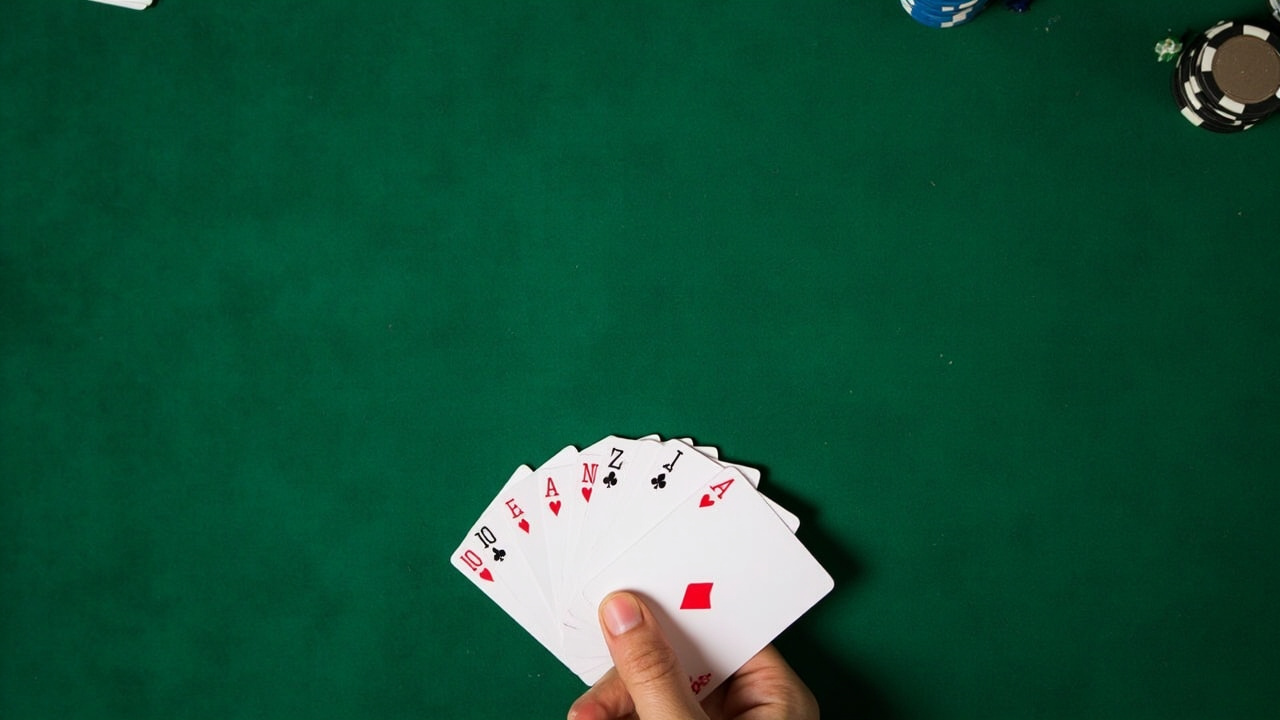
The dealer flips the rules placard before the first hand, and that’s where you’ll spot the surrender line. Late surrender is what you’ll find at most licensed venues in Darwin and elsewhere across the country – it lets you fold after the dealer checks for natural 21. Early surrender is rarer and not offered in Australian clubs, though you’ll see it at places like the Circus Circus casino in Las Vegas, where live circus acts tumble overhead while the cards get dealt. Compare that to the UK, where many high-street casinos strip surrender from the rulebook entirely, and seasoned Australian players treat the option as a genuine edge.
When your opening two cards total something awkward – a hard 16 against a dealer ten or ace – the surrender button becomes your friend. You hand back half your stake and walk away from a hand the maths says you’ll lose more often than not. Players shopping around quickly notice that the goldenbet casino no deposit bonus available deals often quote surrender rates in the published return-to-player fine print, and a no-deposit head start gives you enough hands to test the rule before committing real funds.
The Repeat-Play Loop
Beyond the table itself, the value of surrendering smartly compounds across repeat sessions. Operators that recognise the disciplined player often build ongoing rewards around the practice. Cashback on net losses gives you a soft landing on the rough nights when the maths catches up. Weekly reloads keep the bankroll topped up without forcing another full deposit cycle. Loyalty ladders at venues that do it properly hand out comps, faster withdrawals, and invitations to closed blackjack tournaments where the rules stay player-friendly.
I reckon the players who take a structured approach – tracking which hands they surrendered, what the result would have been if they’d played on – extract noticeably more from these programmes than the casual crowd. A tighter overround on the rule set, paired with steady loyalty returns, is the sort of combination that defo shifts the long-run expectation in your favour. In Darwin’s licensed clubs the points stack quickly if you play midweek, when the floors are quieter and the dealers have time to chat about which tables are running the better variant.
How the Decision Plays Out
European single-deck games often forbid surrender outright, and the house edge there climbs by roughly 0.6% on hands where you’d otherwise want to bail. American multi-deck shoes with late surrender come in around half a percent better than their no-surrender cousins. Australian tables typically sit in the middle of that range, regulated by state authorities that mandate clear disclosure of the rule on the layout. The consumer protection framework that governs how operators advertise bonus value doesn’t extend to the rule itself, which is why a smart punter learns to read the placard before sitting down.
Practically speaking, you decide in the first three seconds after the deal. If the dealer shows a nine, ten, or ace and you’re holding a hard 15 or 16 with no pair option worth splitting, surrender is the disciplined play. It feels wrong the first few times, because walking away from a hand you could “play” runs against the gambler’s instinct. But the math is the math, and surrendering properly is one of the few levers a player actually controls in real time at the table.
Where Loyalty Cash Converts
The repeat-play picture is what separates a forgettable signup offer from a venue worth settling into. Tournaments held over a long weekend in the dry season draw a busy-as crowd from across the Top End, with surrender-permitted tables often scored separately for the leaderboard. Cashback on losses from those events tends to clear back into your account within forty-eight hours, and VIP hosts will flag a softer comp rate for players who consistently apply the right surrender decisions over hundreds of hands.
The sort of analytical work I do with slot mathematics translates directly here. I watch how often a player surrenders in the right spots versus how often they reach for the chip stack out of habit. The disciplined pattern, repeated across thousands of hands, becomes the engine that makes cashback and loyalty points actually worth chasing. Operators that reward that pattern keep the better players, and that retention loop is what builds a long-term home for your bankroll rather than a one-off flutter.
The blackjack surrender option rewards discipline more than luck, and that’s the kind of edge a smart player can build a session around. Pair the rule with venues that back it up with cashback, loyalty ladders, and regular tournament invites, and you’ve got a sustainable grind. Read the placard, log your decisions, and let the maths do the heavy lifting across every arvo at the tables.